


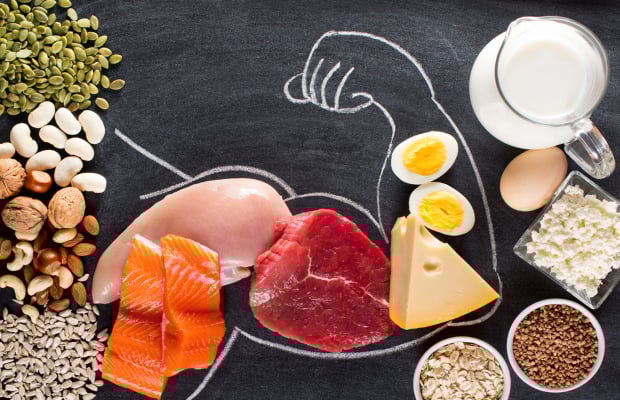
Why Protein Is Important: The Essential Role It Plays In Your Body Every Day

Protein affects almost everything your body does — from energy levels to muscle strength, metabolism, hormones, and long-term health. If you’re new to the topic, you can read our guide on what protein actually is (#2) to get the basics first.

In this article, we’ll focus specifically on why protein is important, what roles it plays in daily function, and how your protein intake shapes your overall health.

20db017d-ed41-481c-8f88-81046e248c68

Why Protein Matters for Your Body?

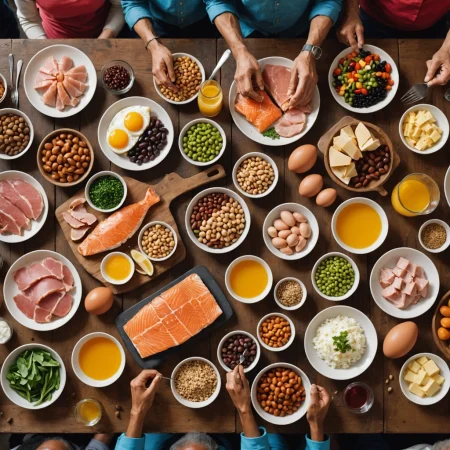
Protein plays a vital role in nearly every biological process. Research from Harvard Health Publishing notes that higher protein intake supports muscle maintenance, hormone balance, and healthy aging.

You can think of it as your body’s building, repair, and maintenance system. Your body constantly breaks down and rebuilds tissue, and protein is the raw material it depends on for that process.

When people say “protein is essential,” it’s because your body cannot produce essential amino acids on its own — meaning you must get them from food every day.

What Protein Does In Your Daily Body Functions

Protein plays a daily role in:

• Repairing muscle and tissue

• Supporting skin, hair, and nail growth

• Maintaining hormones and enzymes

• Strengthening the immune system

• Transporting oxygen and nutrients

• Stabilizing blood sugar

• Keeping your metabolism running efficiently

Without enough protein, the body simply cannot operate at its best.

How Protein Keeps Your Cells Healthy

Every organ system — from your muscles to your heart — is made of proteins.

Amino acids help your body:

• Replace damaged cells

• Create new blood cells

• Heal wounds

• Maintain organ structure

This is why protein becomes even more important as you age.

Daily Protein Need: How Much You Really Require

Most people are shocked at how little protein they eat compared to what their body actually needs. The recommended daily minimum is often misunderstood — and in many cases, it’s far too low for optimal health.

When talking about protein intake day, you have to remember that your needs depend on your goals, age, activity level, and body weight.

For a clear explanation of how protein works inside your body, see our article on what protein is and how it functions(#2)

949c1c3e-46f4-4f5f-b6b8-e89e60f3d937

Protein Intake Recommendation by Age & Lifestyle

Here’s a simple guideline:

Group

Adults (General)

Active adults

Athletes

Older adults

Weight loss goals

Recommended Intake

0.8-1.0 g/kg

1.2-1.6 g/kg

1.6-2.2 g/kg

1.2-1.4 g/kg

1.4-2.0 g/kg

The minimum (0.8 g/kg) is not ideal for optimal performance, energy, or fat loss – it’s simply enough to prevent deficiency.

Protein Intake Daily for Women

Women often underestimate how much protein they need. Protein becomes even more important for women due to:

• Hormonal changes

• Pregnancy & postpartum

• Appetite regulation

• Maintaining lean muscle

• Metabolism

• Aging and bone health

Women should aim for:

1.0–1.4 g/kg per day

and more if they exercise regularly.

A 65-kg (143-lb) woman would need:

65–90 g per day minimum

90–120 g if active

Most women today consume less than 60 g — far below optimal levels.

How Much Protein You Should Eat Per Day

A simple formula:

Body weight (kg) × 1.2–1.6 = daily protein target

This range supports:

• Muscle maintenance

• Weight control

• Blood sugar stability

• Healthy aging

If you exercise or want fat loss, aim higher.

To explore full lists of foods that provide all essential amino acids, check out our article on complete protein sources(#5).

Why Protein Is Important For Muscle & Strength

People often associate protein with gym-goers, but muscle health is essential for everyone – not just athletes.

9ef0bd47-33fa-411c-9944-d5ff660e0dbb

Protein for Muscle Repair and Growth

When you move, exercise, or even walk up a flight of stairs, your muscles experience tiny amounts of damage. Protein helps repair that damage and rebuild stronger muscle fibers.

Without enough protein, recovery slows and muscle loss accelerates.

Protein for Metabolism and Fat Burning

Muscle tissue burns more calories than fat — even at rest.

So the more muscle you preserve, the faster your metabolism becomes.

Protein supports:

• Higher daily calorie burn

• Improved fat loss

• Better body composition

• Long-term weight maintenance

This is why high-protein diets outperform low-protein diets for fat loss.

Why Protein Is Important for Weight Control

Protein isn’t just about muscle — it’s also one of the most powerful tools for hunger control and weight management.

5293cd86-bc6f-454a-bc42-8ccfe1e8402b

Protein Reduces Hunger & Cravings

When you eat enough protein, your body releases satiety hormones that tell your brain you’re full. This reduces cravings for:

• Sugar

• Snacks

• Late-night eating

High-protein meals keep you satisfied longer than high-carb or high-fat meals.

Protein Supports Healthy Weight Loss

Eating more protein naturally leads to consuming fewer calories without strict dieting.

Protein helps with:

• Appetite control

• Reducing overeating

• Stabilizing blood sugar

• Maintaining lean muscle during fat loss

It’s one of the most reliable ways to lose weight sustainably.

Why Protein Suports Hormones & Immunity

Protein isn’t just for muscles — it plays a major role in how your body communicates and defends itself.

451ee9c2-7217-47e4-965f-228f154392f3

Protein for Hormone Production

Many hormones are made from amino acids, including:

• Growth hormone

• Thyroid hormones

• Insulin

• Peptide hormones

Low protein disrupts hormonal balance, energy, and metabolism.

Protein for Immune Health

Your immune system depends on protein to create:

• Antibodies

• Immune cells

• Enzymes that fight infection

Low protein intake equals weaker immunity.

What Happens When You Don't Eat Enough Protein

Not getting enough protein affects your body more dramatically than most people realise.

If you want to learn the specific signs and symptoms of how low protein intake, read our guide on protein deficiency(#4)

bc362539-65dd-46d5-9c6e-369b98d4ec3e

Warning signs of Low Protein Intake

• Fatigue

• Hair thinning

• Brittle nails

• Weak muscles

• Poor recovery

• Frequent cravings

• Slow metabolism

• Mood swings

These are early signs that your protein intake is too low.

Long-term Health Risks of Protein Deficiency

Chronic low protein leads to:

• Muscle wasting

• Weakened immunity

• Slower healing

• Hormonal imbalance

• Reduced bone density

• Metabolic slowdown

• Higher risk of injury

This is especially dangerous for older adults.

FAQ

Why Is Protein So Important For Health?

Because it supports muscle, hormones, cells, immunity, and metabolism.

How Much Protein Should I Eat Daily?

Most adults need 1.0-1.6 g/kg, depending on their lifestyle.

How Much Protein Do Women Need?

Women should aim for 1.0-1.4 g/kg daily.

What Happens If I Don't Enough Protein?

Muscle loss, fatigue, weak immunity, and increased cravings.

Can Protein Help With Weight Loss?

Yes – it reduces hunger and helps preserve muscle.

Is Too Much Protein Harmful?

Not for healthy adults. Problems only occur with pre-existing kidney disease.

Conclusion

Protein plays a vital role in almost every part of your health, from metabolism and immunity to muscle strength and long-term energy. Now that you understand why protein is so important, you can explore the rest of our protein series for more guidance. Learn what protein really is, discover the signs of protein deficiency, and explore complete protein foods to help you meet your daily needs. Building a protein-focused lifestyle starts with understanding its impact — and now you’re one step ahead.

Share the Post:

Related Posts