Understanding complete protein is essential if you want to build balanced meals that support muscle, metabolism, and overall health. If you’re unsure how protein works in the body, start with our simple guide on what protein is.
In this article, we’ll focus specifically on complete protein, the best complete protein foods, and the key differences between animal protein and plant protein so you can make informed choices that support your nutrition goals.

What Is Complete Protein?
A complete protein is a protein source that contains all nine essential amino acids your body must get from food. These amino acids support:
• Muscle repair
• Hormone production
• Enzyme activity
• Immune function
• Healthy skin and tissue
Your body cannot make essential amino acids on its own — so complete protein foods are valuable because they provide everything in one place.
Essential Amino Acids & Why They Matter
The nine essential amino acids include:
• Leucine
• Isoleucine
• Valine
• Histidine
• Lysine
• Methionine
• Phenylalanine
• Threonine
• Tryptophan
These amino acids help your body build muscle, recover from stress, regulate mood, and maintain strong metabolic function. Without them, your body pulls amino acids from muscle tissue to survive — leading to weakness and slow metabolism.
Complete Protein Foods You Should Be Eating
Some foods naturally contain all essential amino acids, while others require combinations to be complete. Let’s break them down by source.
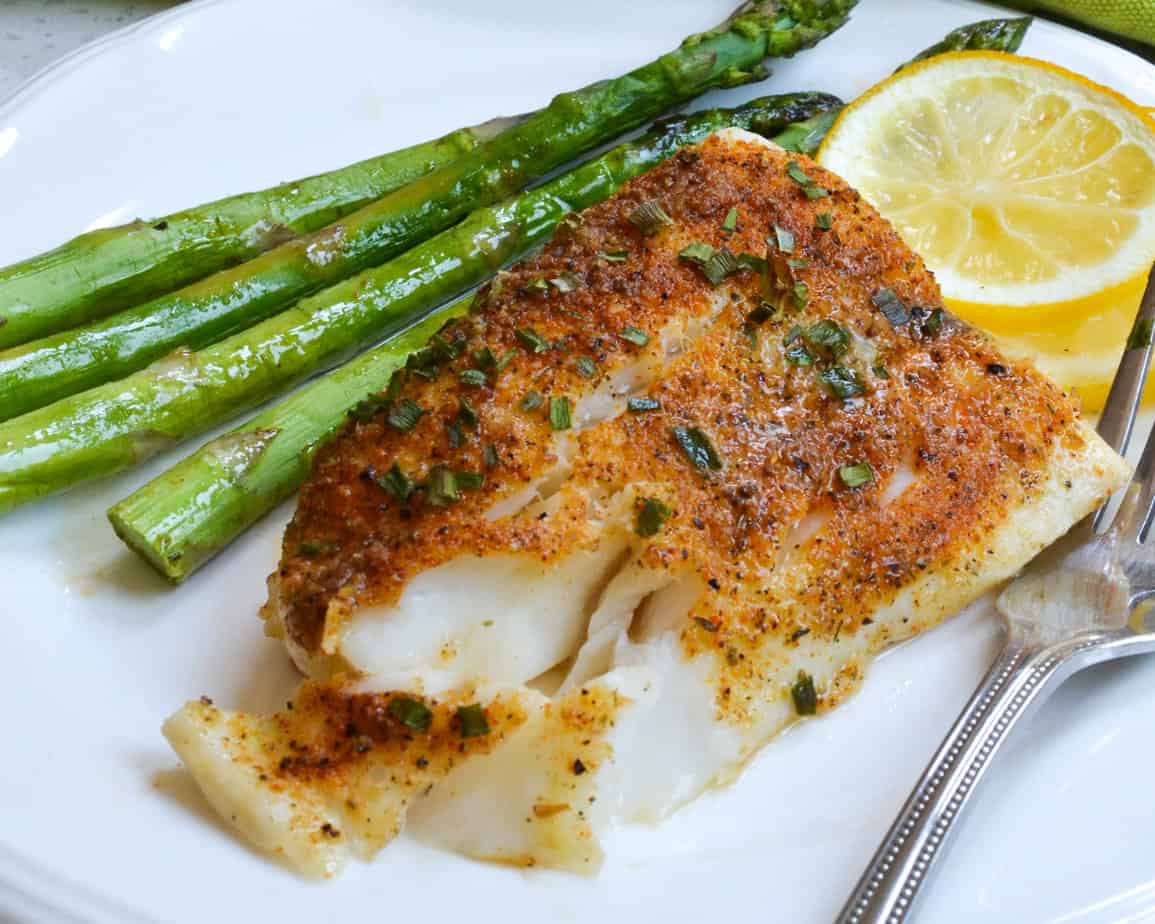
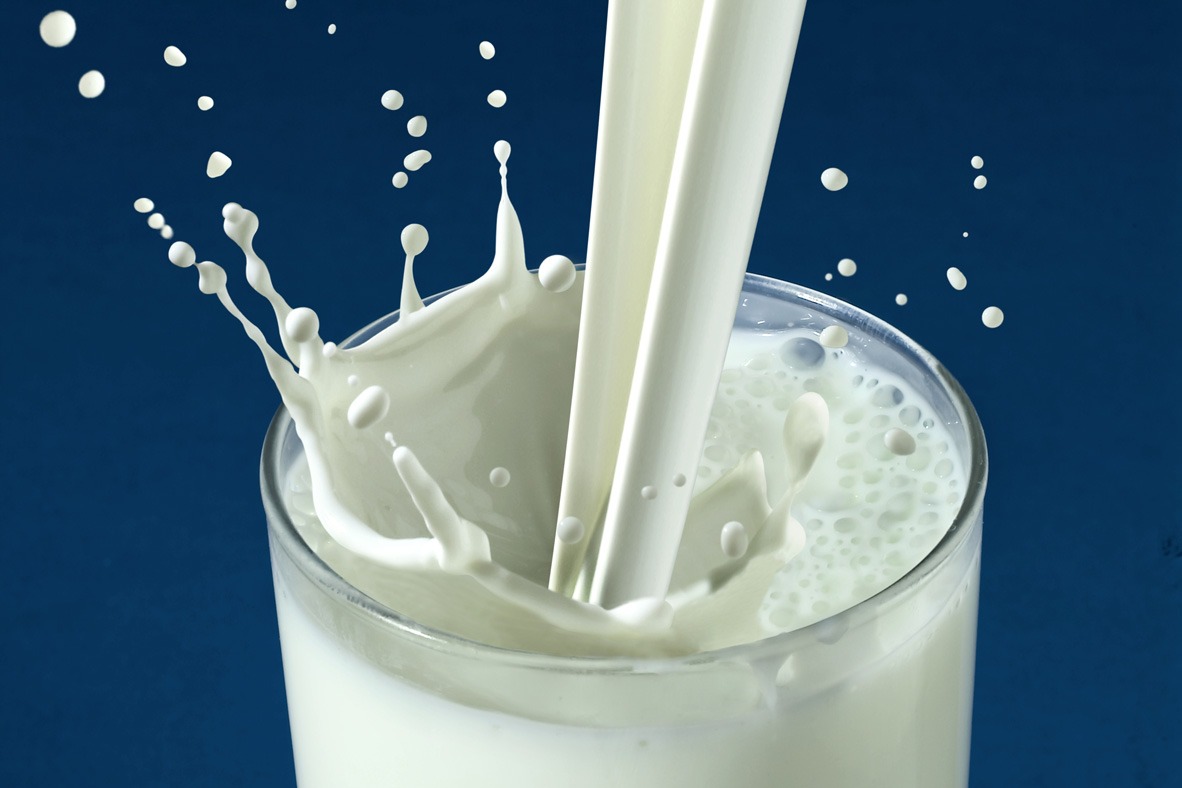
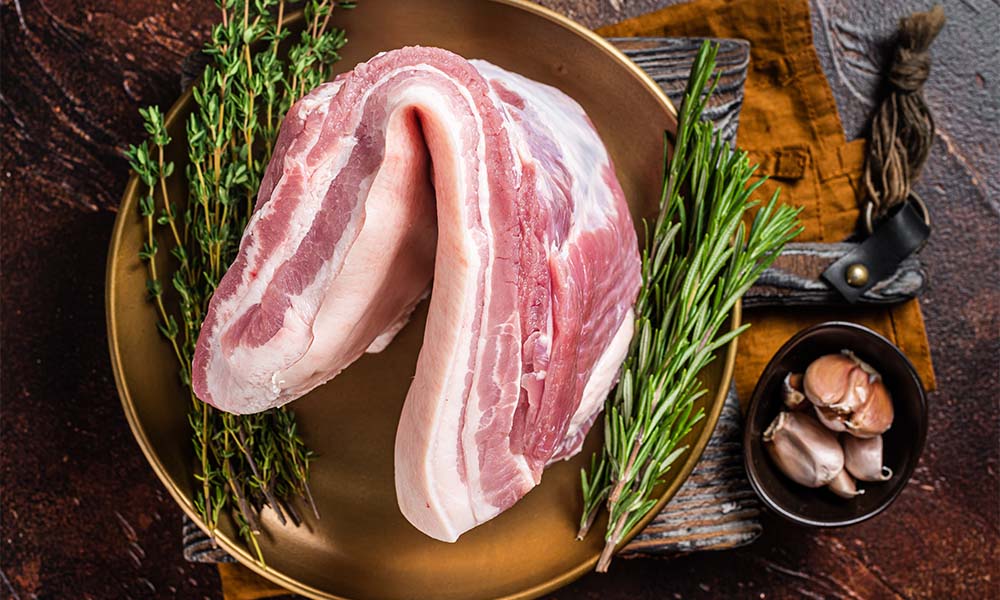
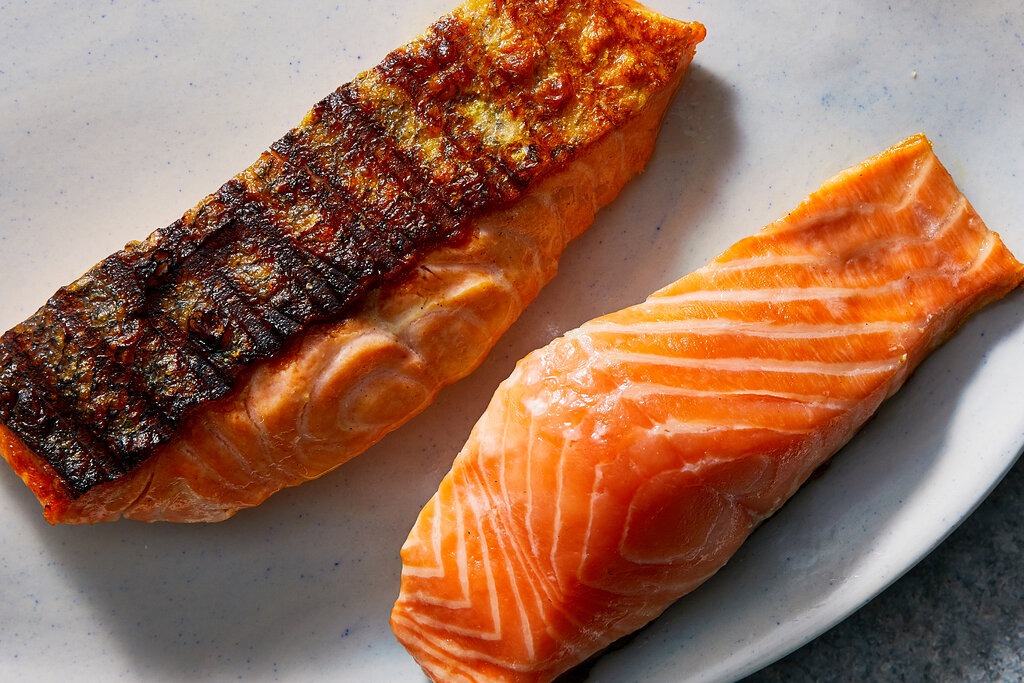
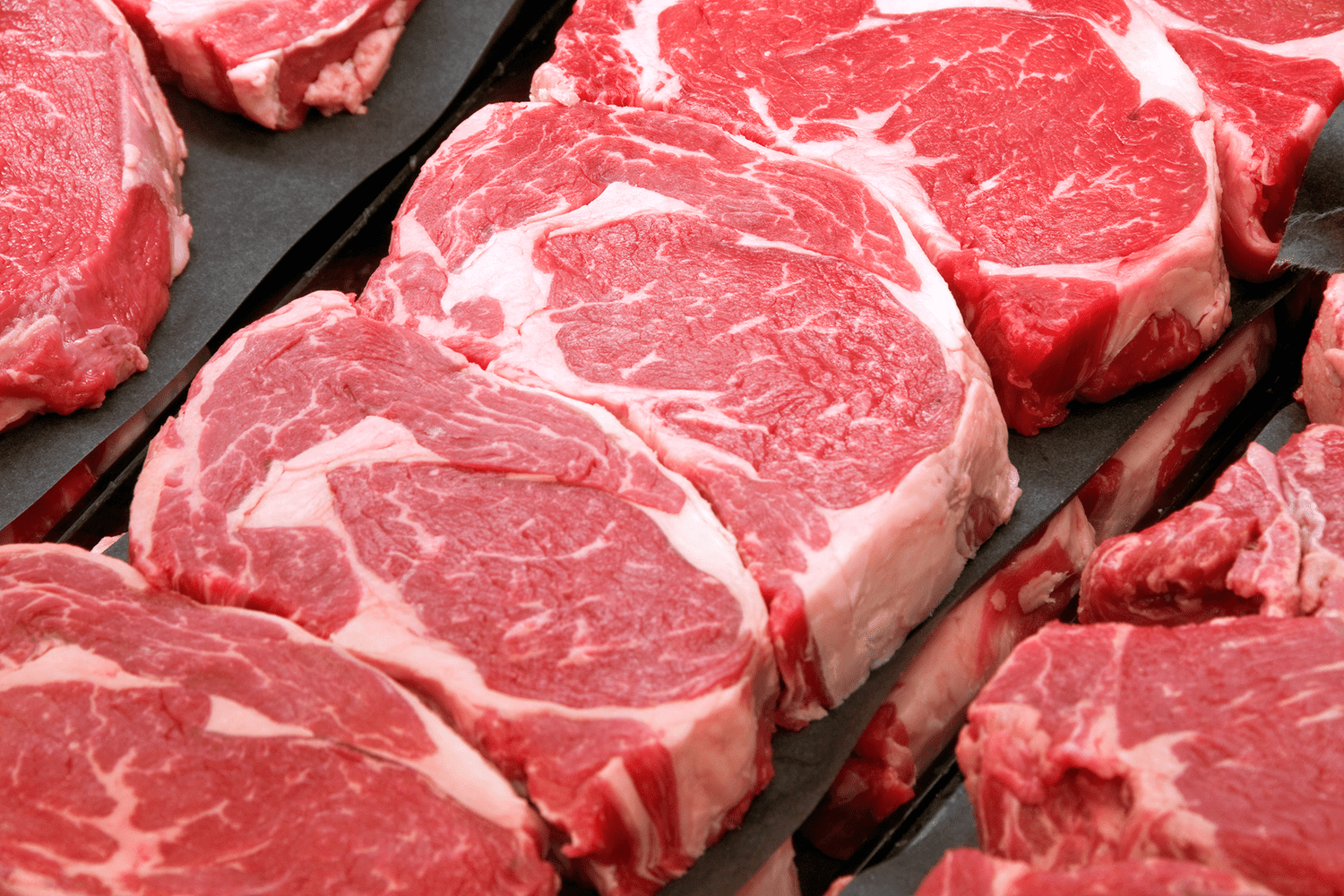
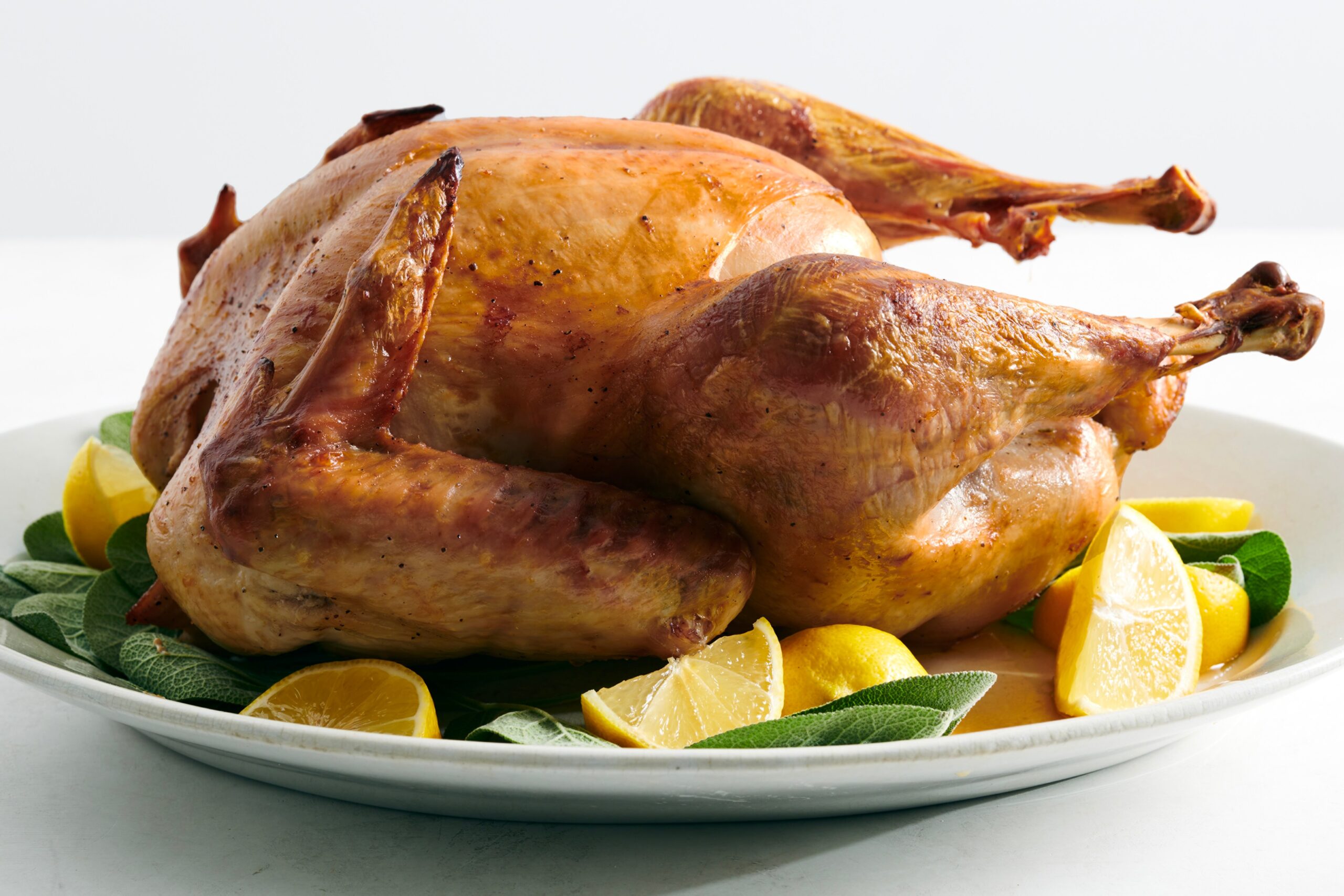
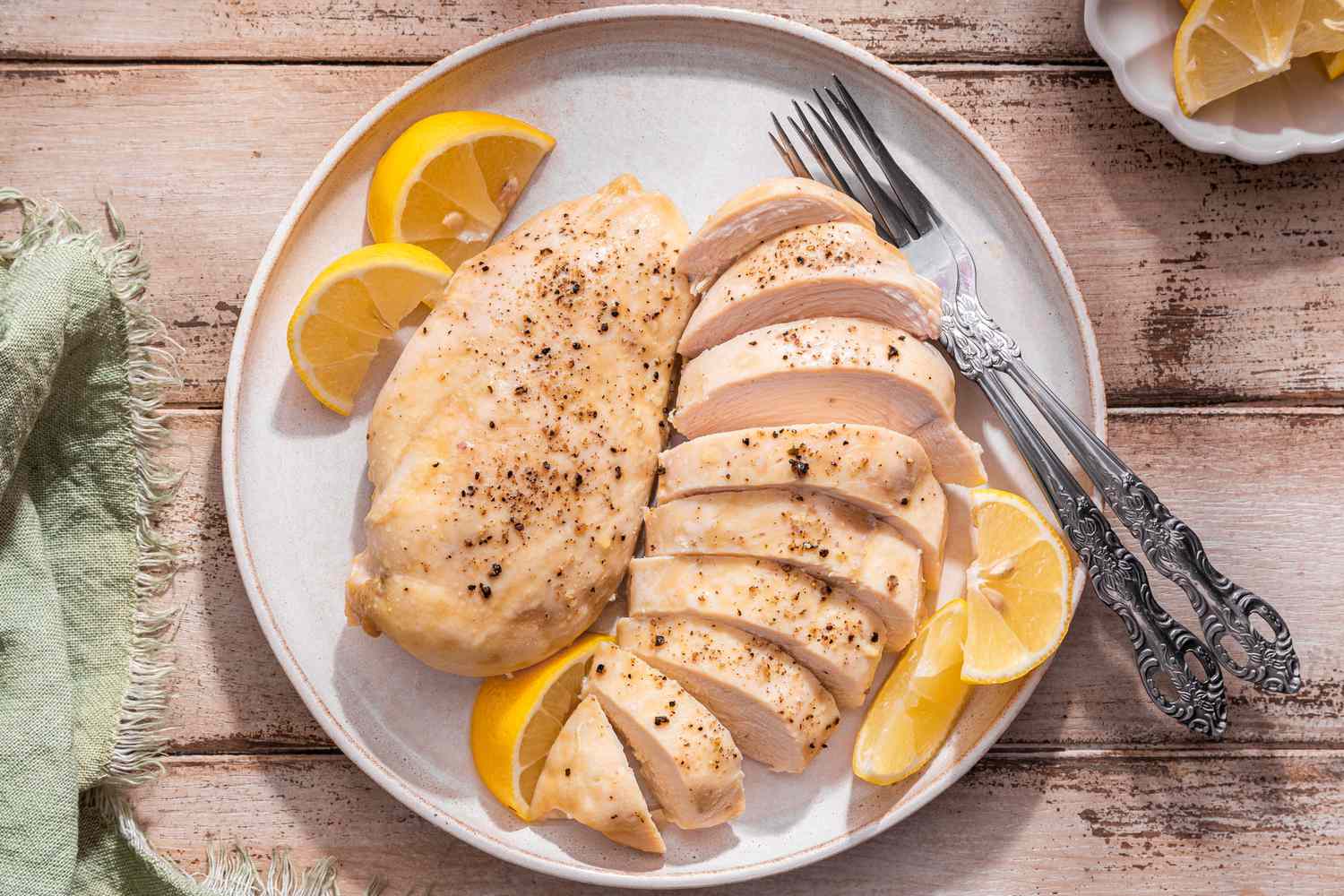
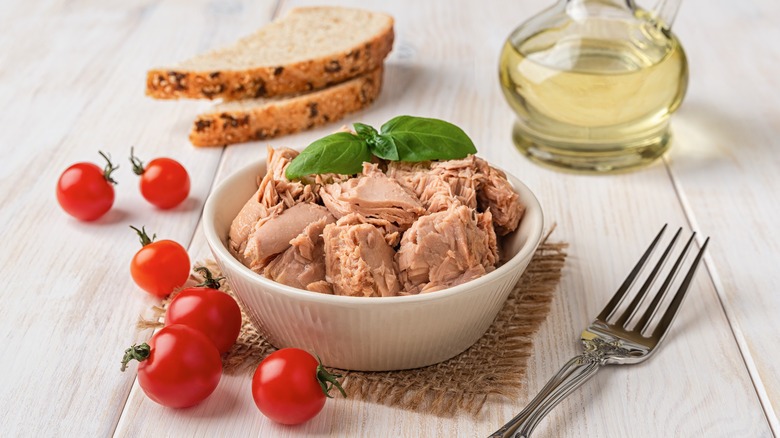
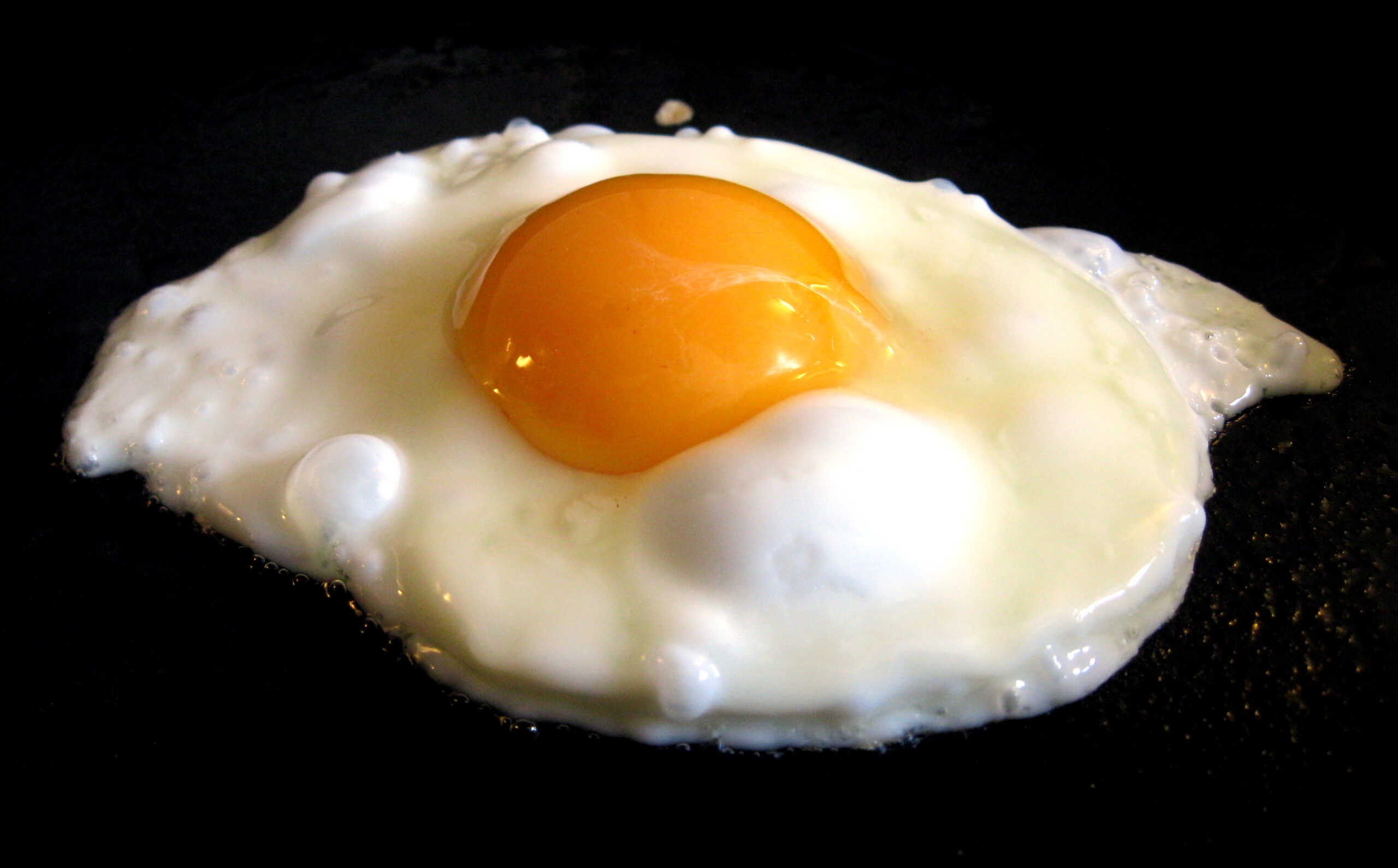
Top Animal-Based Complete Protein Sources
Animal protein are naturally complete, making them easy and efficient sources of amino acids. For a deeper breakdown of how protein functions in your body, read what protein is made of.
Some of the best options include:
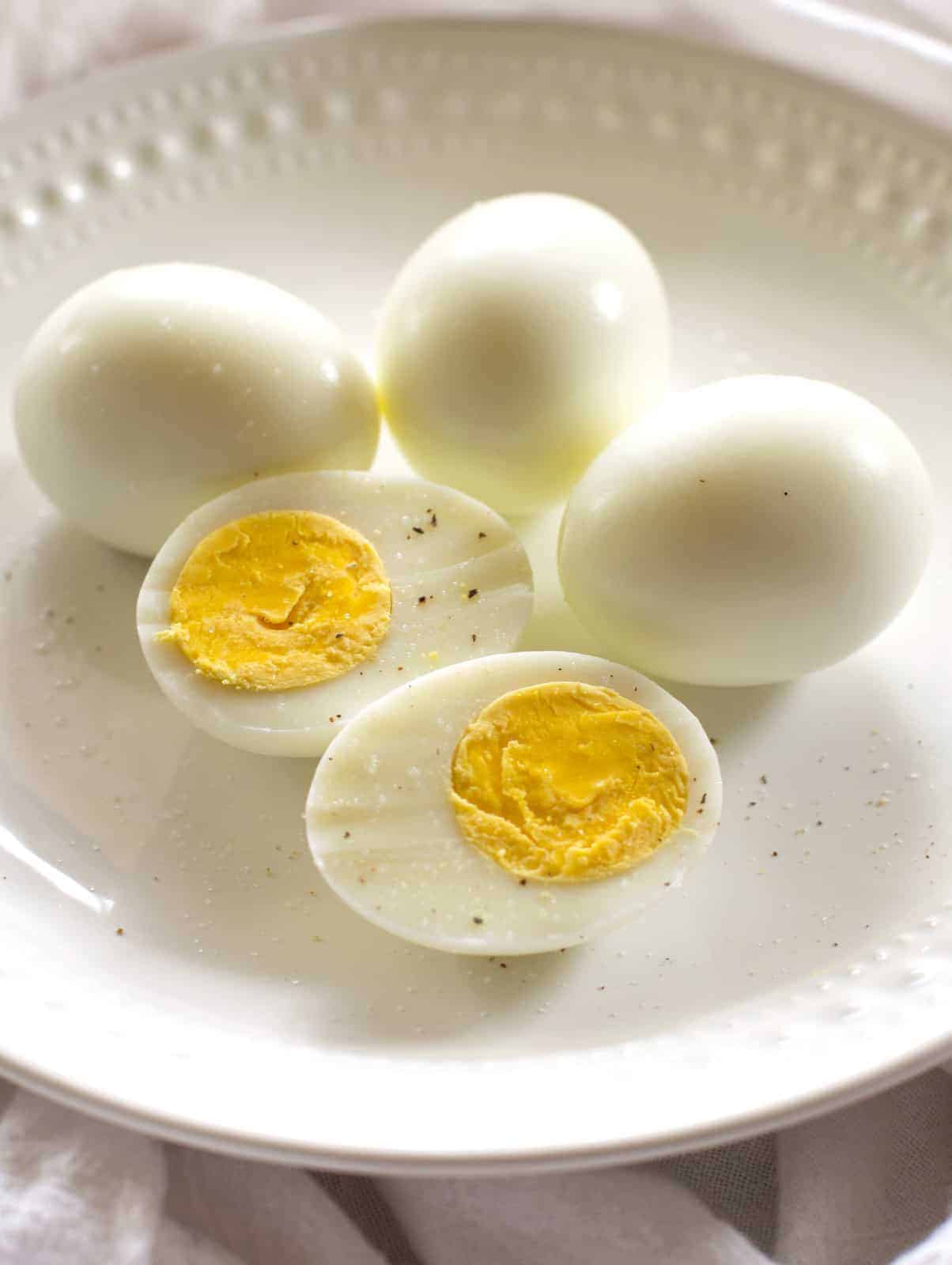
These foods offer high bioavailability, meaning your body absorbs the amino acids easily.
Top Plant-Based Complete Protein Sources.
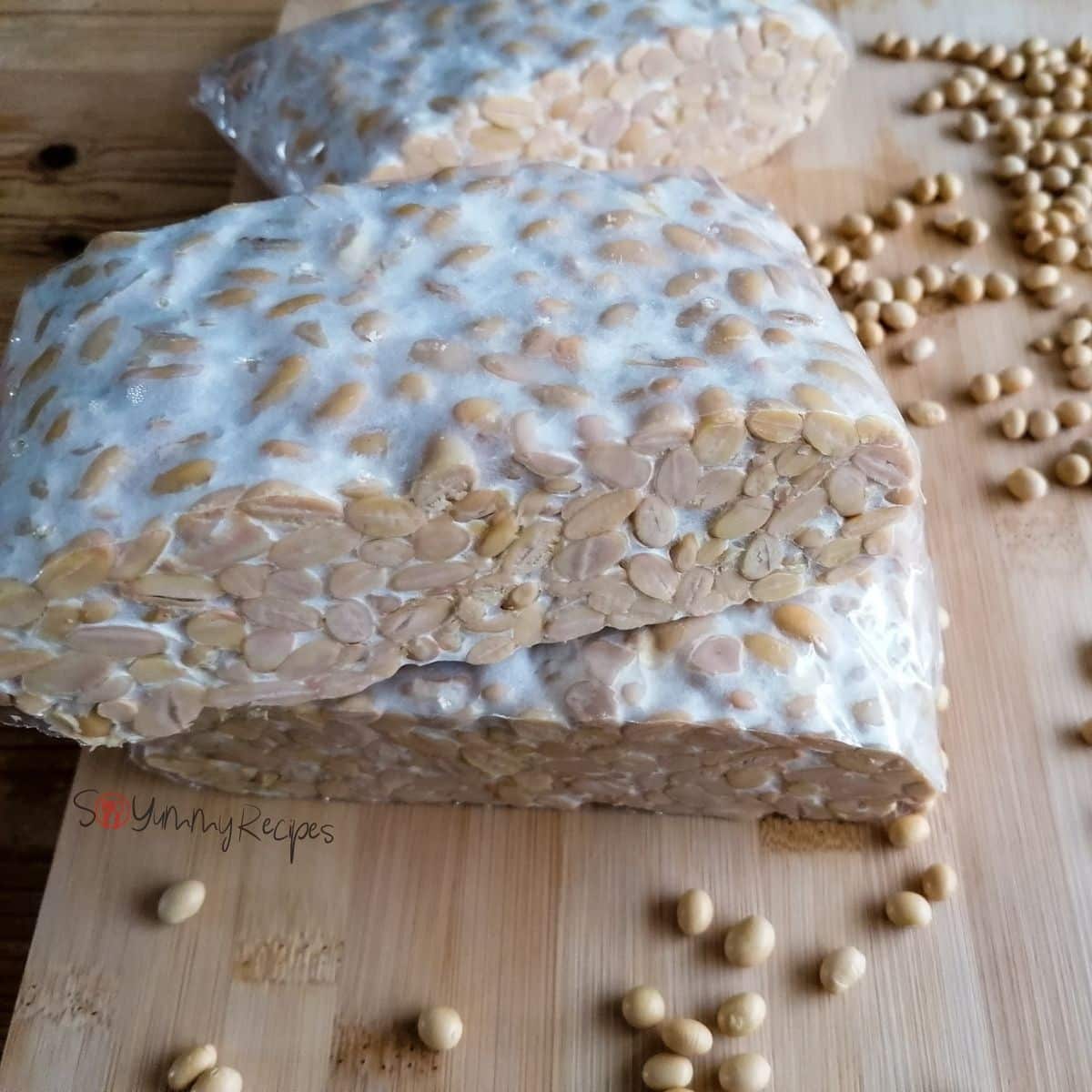
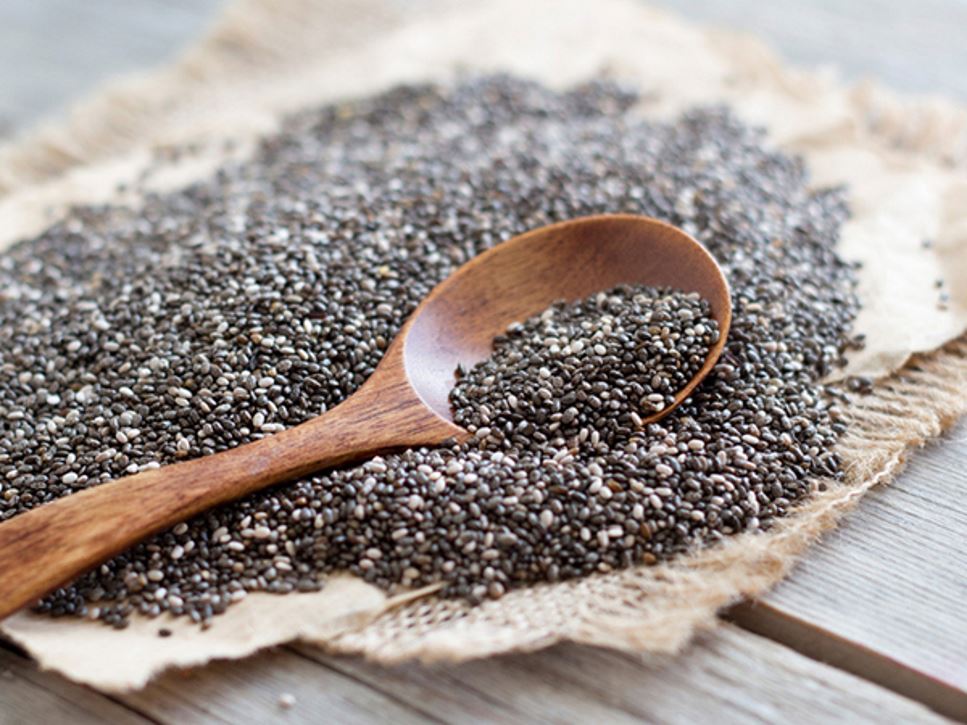
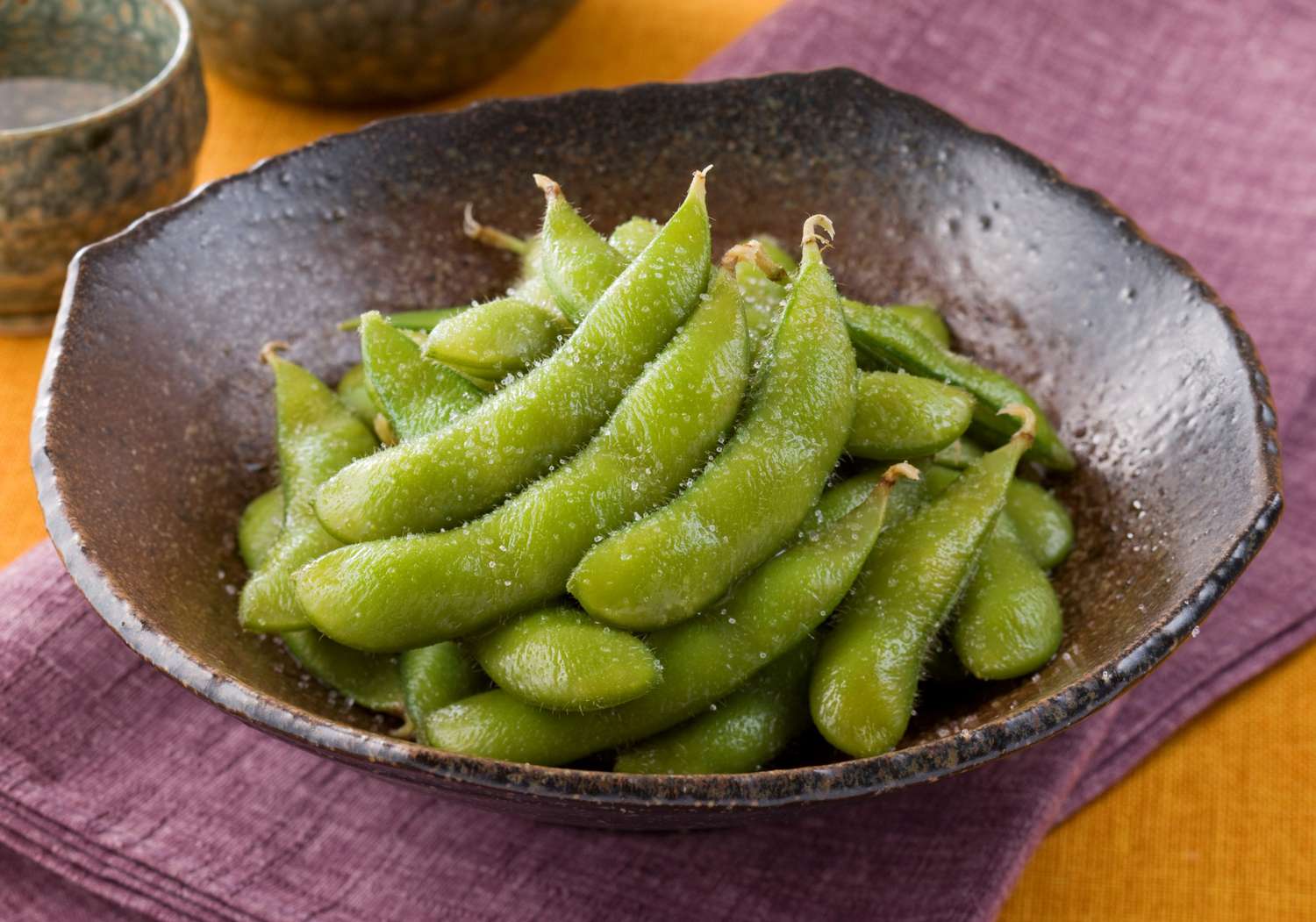
Most plant proteins are incomplete, but there are a few exceptional complete plant foods:
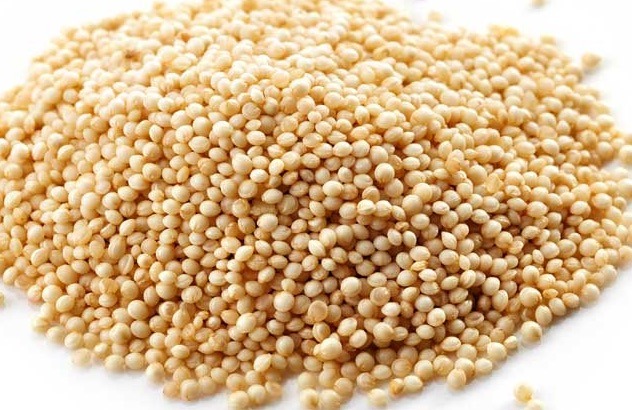
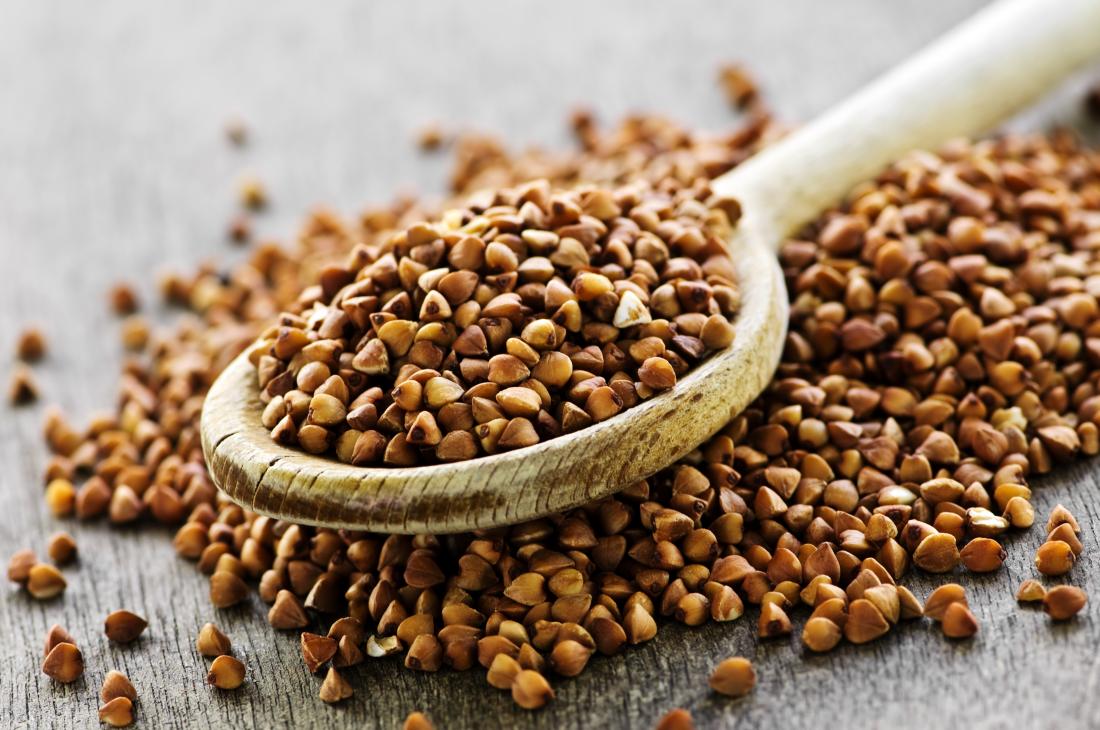
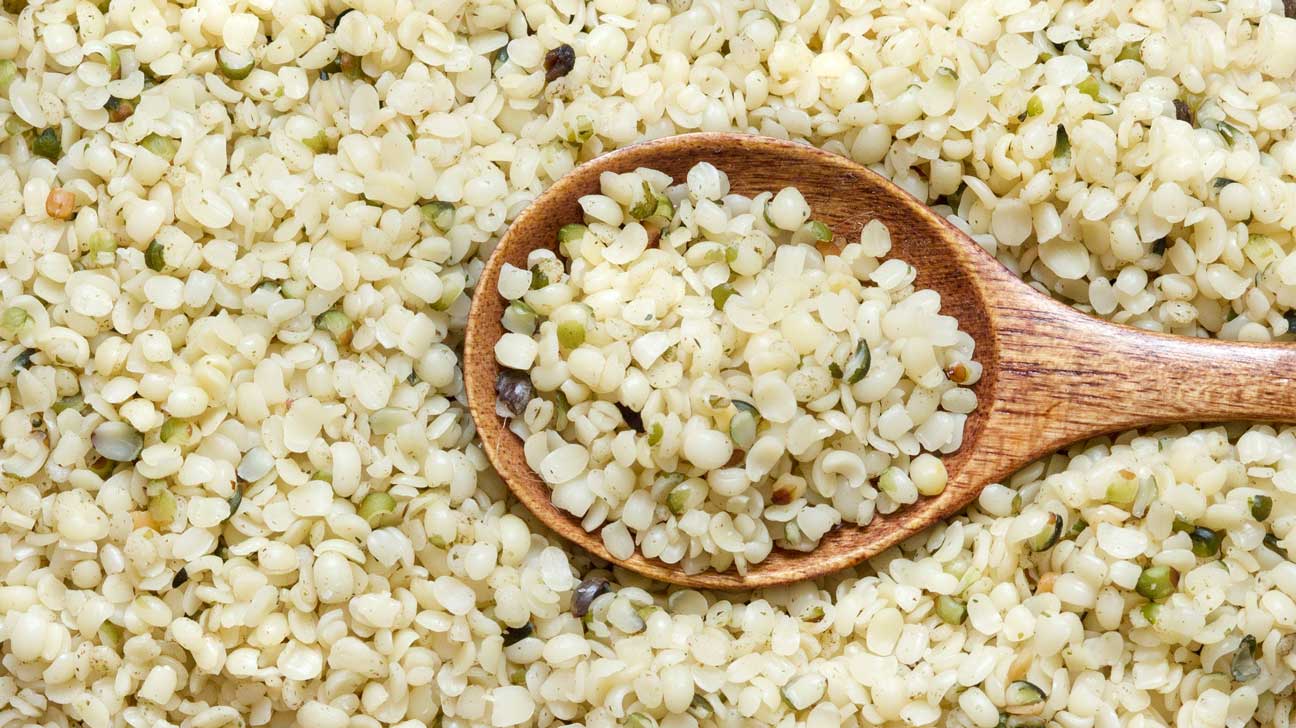
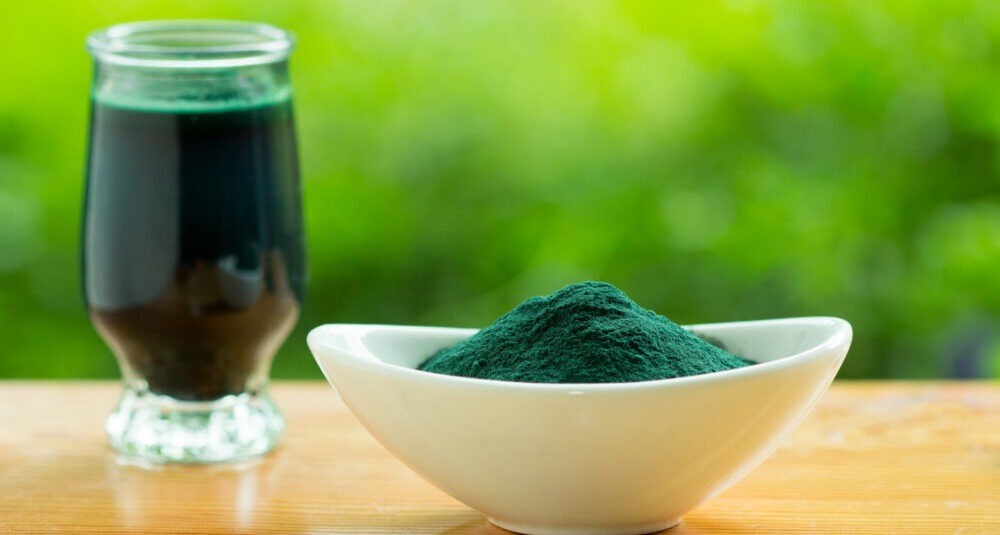
These foods are excellent options for vegetarian or vegan diets because they naturally contain all essential amino acids.
To understand the symptoms of not getting enough protein, visit our guide on protein deficiency(#4).
Complete Protein Foods for Vegetarians & Vegans
If you follow a plant-based diet, you don’t need to worry — you can still get complete protein by combining certain foods. According to Healthline, complete proteins contain all nine essential amino acids that your body needs for growth, repair, and hormone regulation(#).
Vegetarian-friendly complete protein options include:
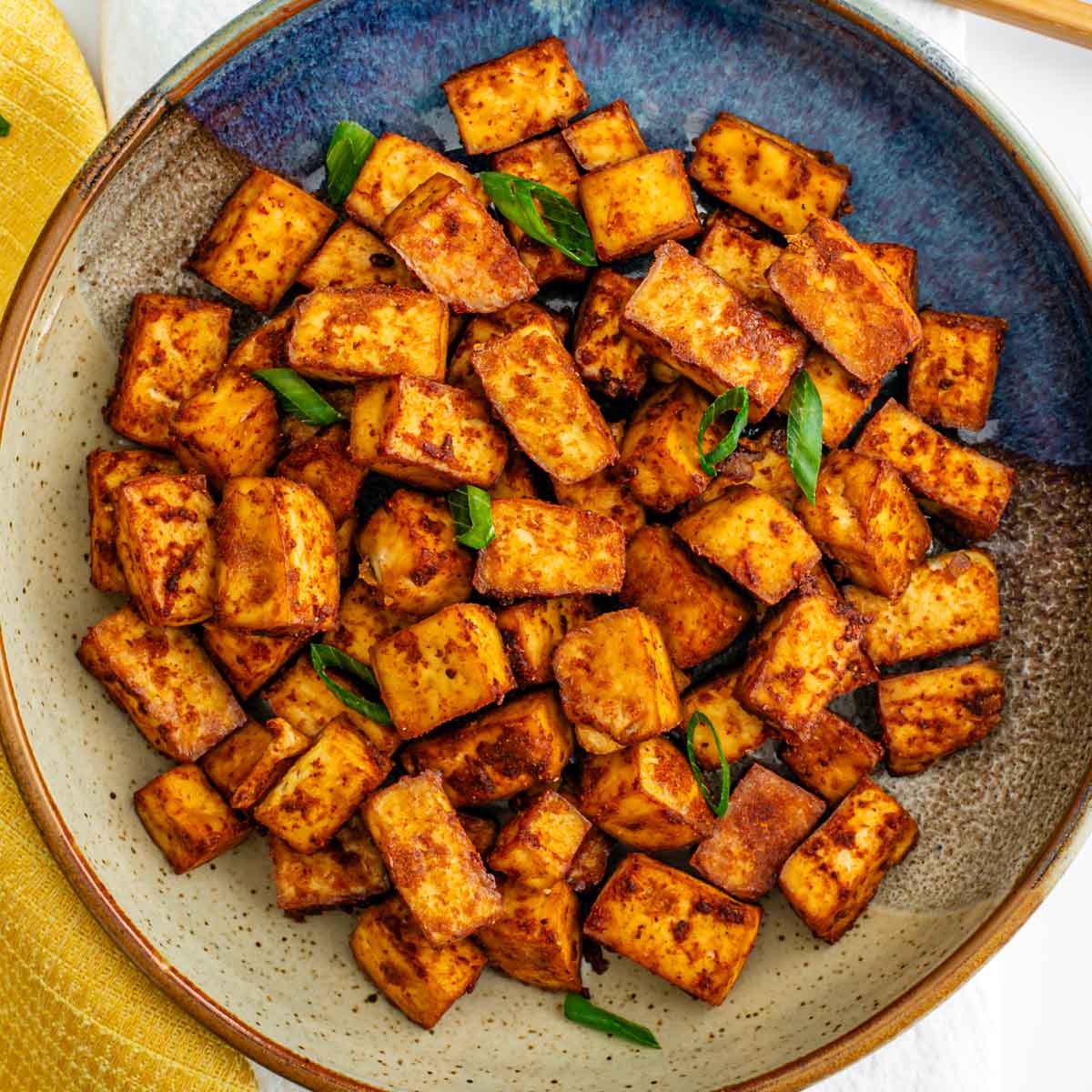
• Tofu
• Greek yogurt
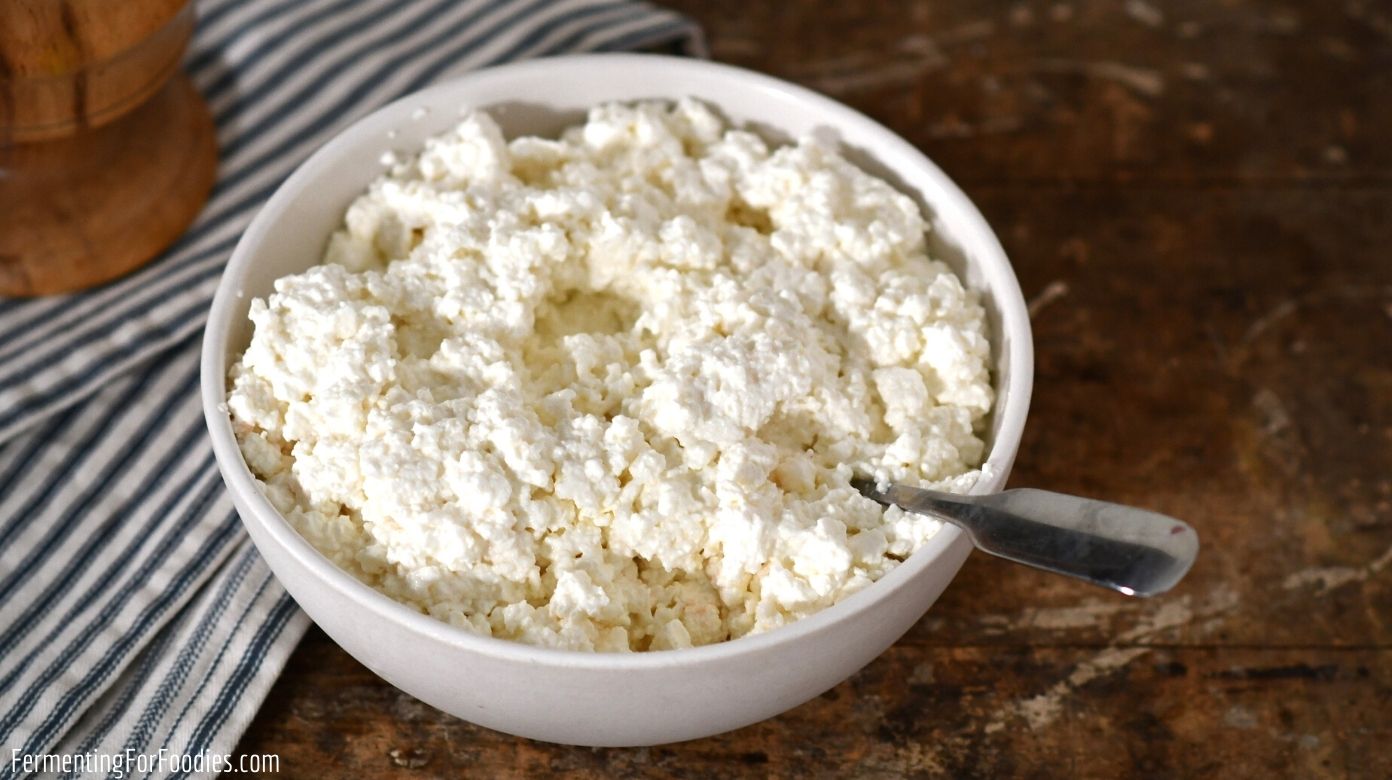
• Cottage cheese
• Eggs
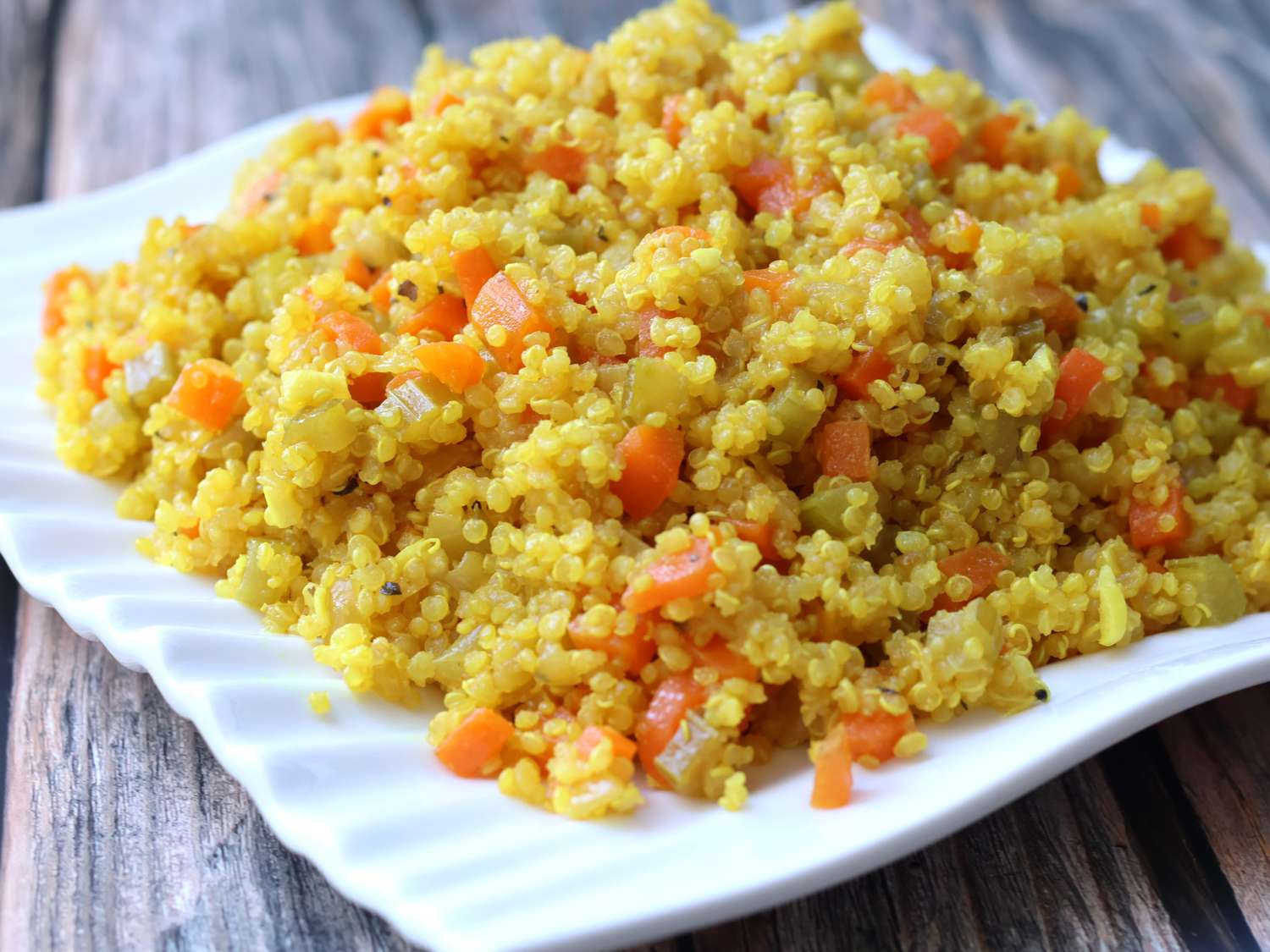
• Quinoa bowls
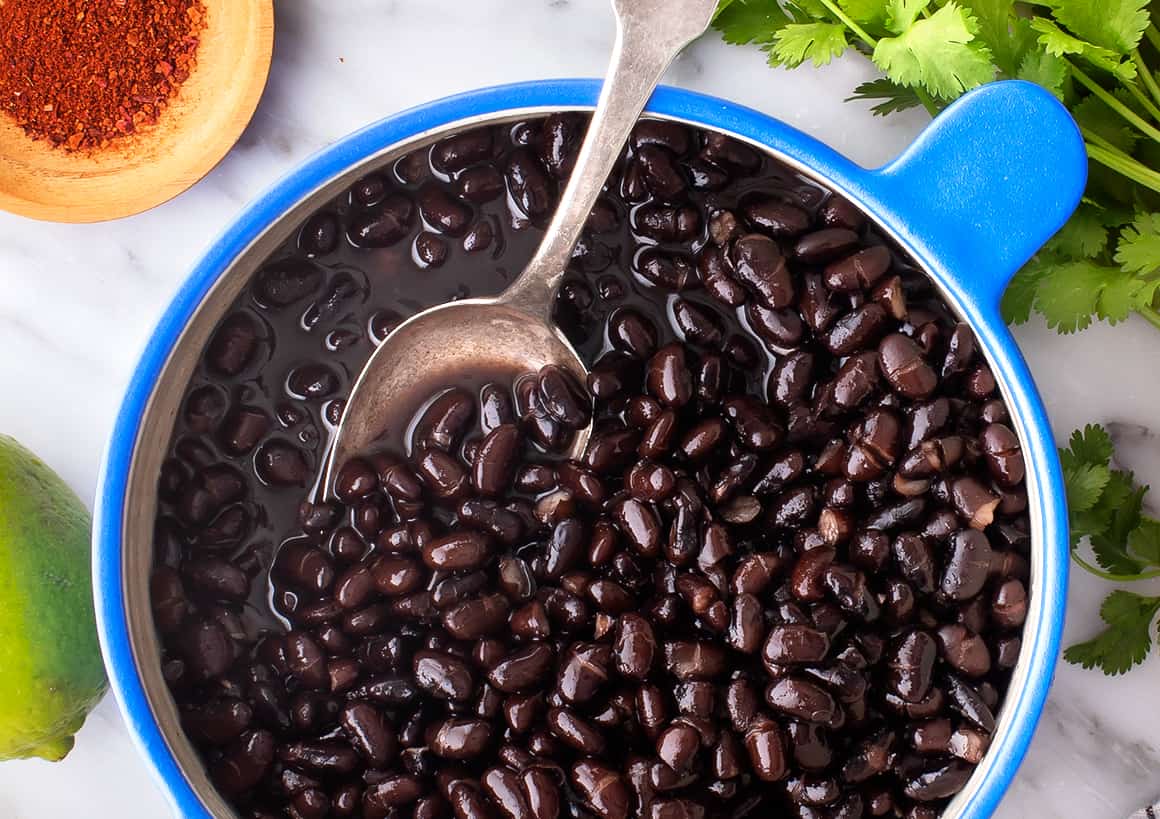
• Beans + rice
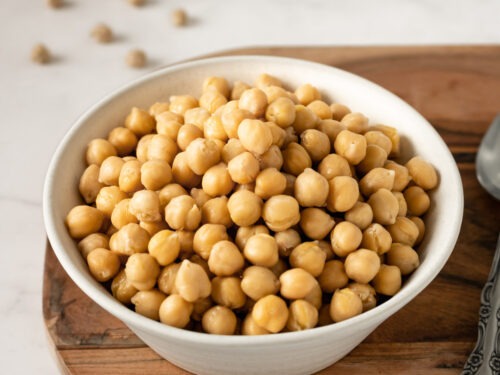
• Hummus + whole grains
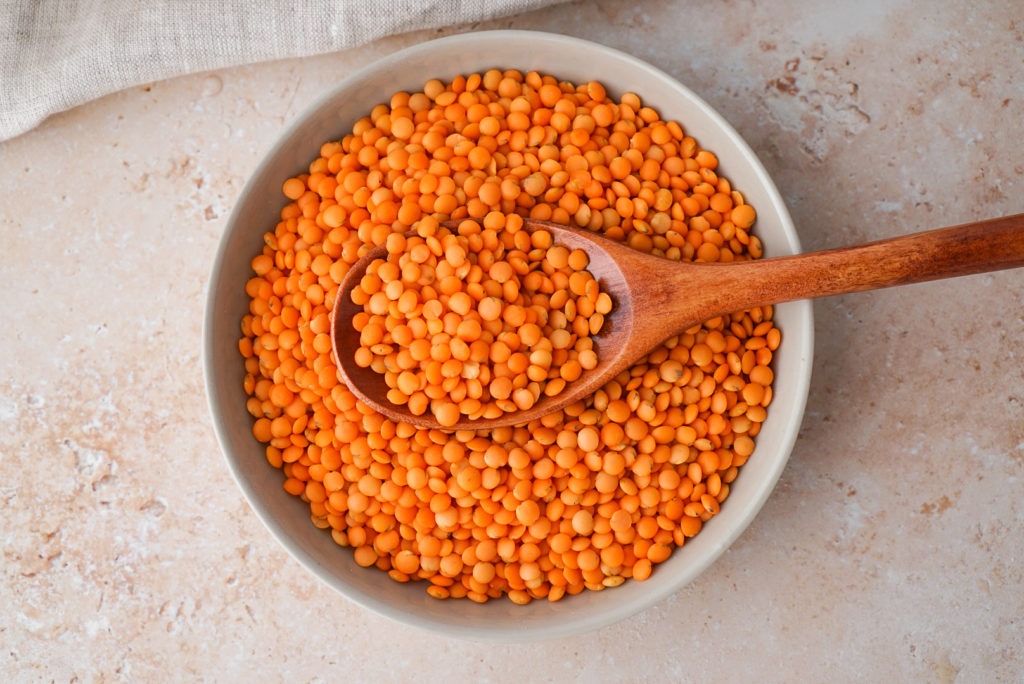
• Lentils + seeds
Proper combinations can match the amino acid quality of animal proteins.
Complete Protein vs Incomplete Protein
Understanding the difference helps you build balanced meals.
Complete protein = all essential amino acids
Incomplete protein = missing one or more essential amino acids
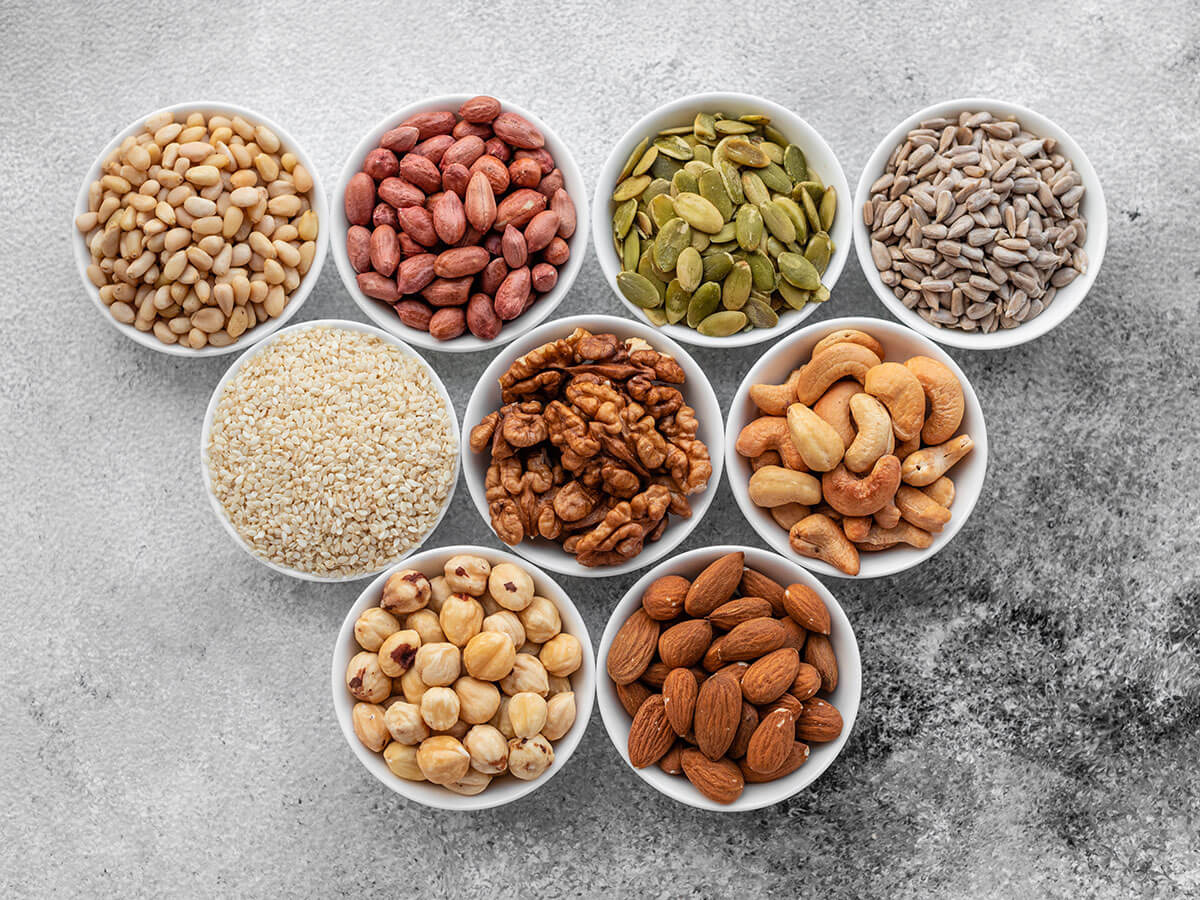
Most grains, nuts, seeds, and legumes are incomplete — but when paired, they form a complete profile.
Examples of food combinations:
• rice + beans
• peanut butter + whole grain bread
• hummus + whole wheat pita
This is how traditional diets worldwide naturally create complete proteins without relying on meat.
If you want to learn why protein play such an important role in your daily health, see our guide on why protein is important.
How To Combine Plant Proteins To Make Them Complete
You don’t need to eat complementary proteins in the same meal – the body stores amino acids for several hours. But pairing foods throughout the day ensures your body gets the full spectrum.
Great Combinations include:
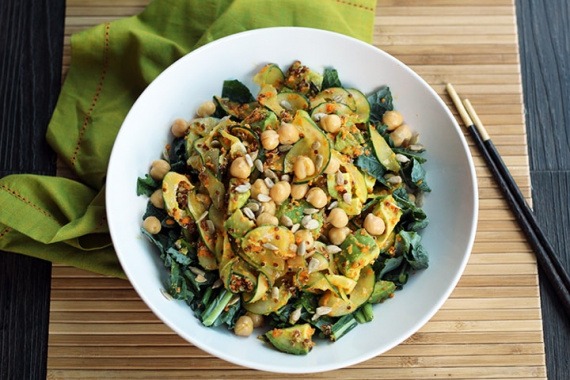
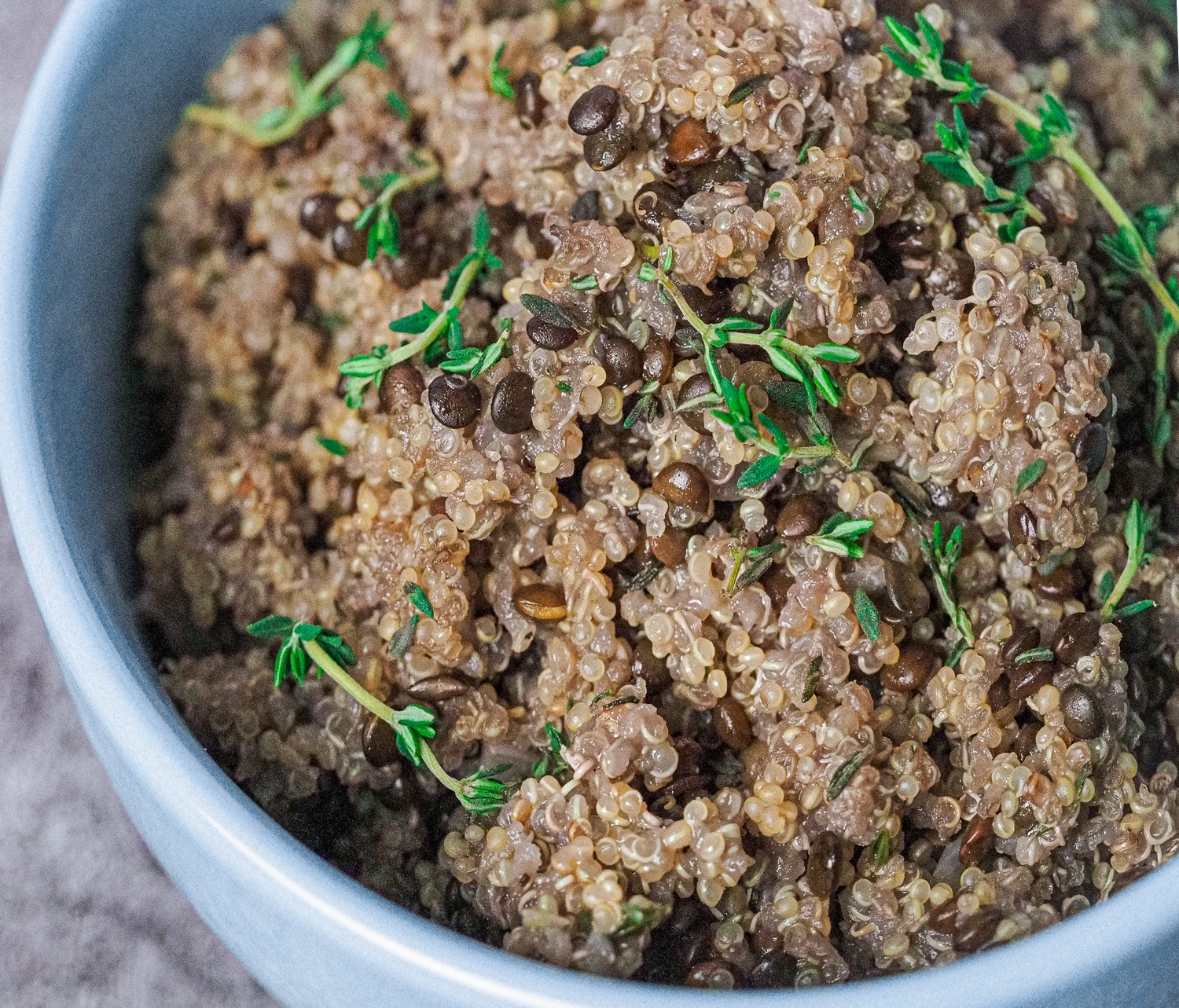
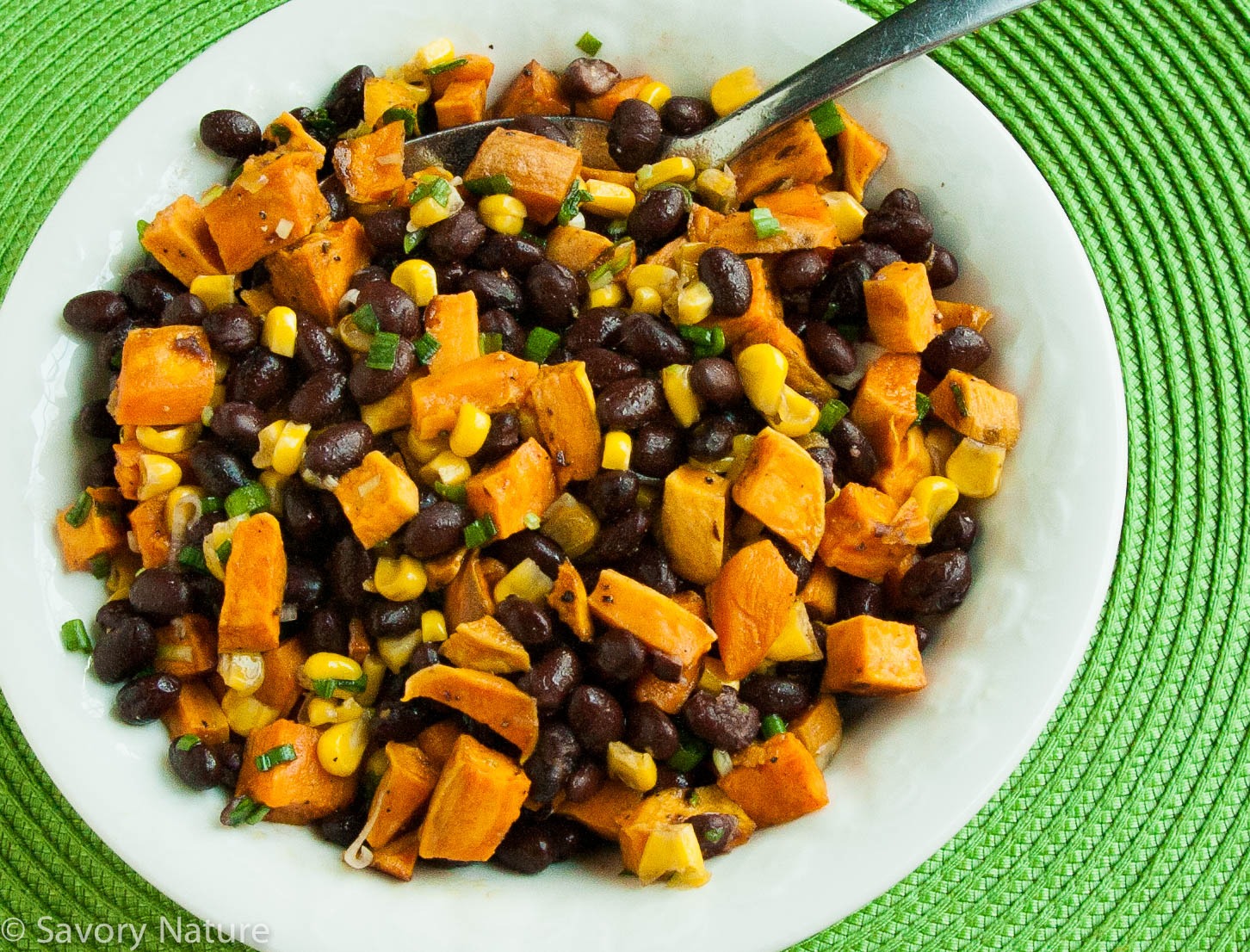
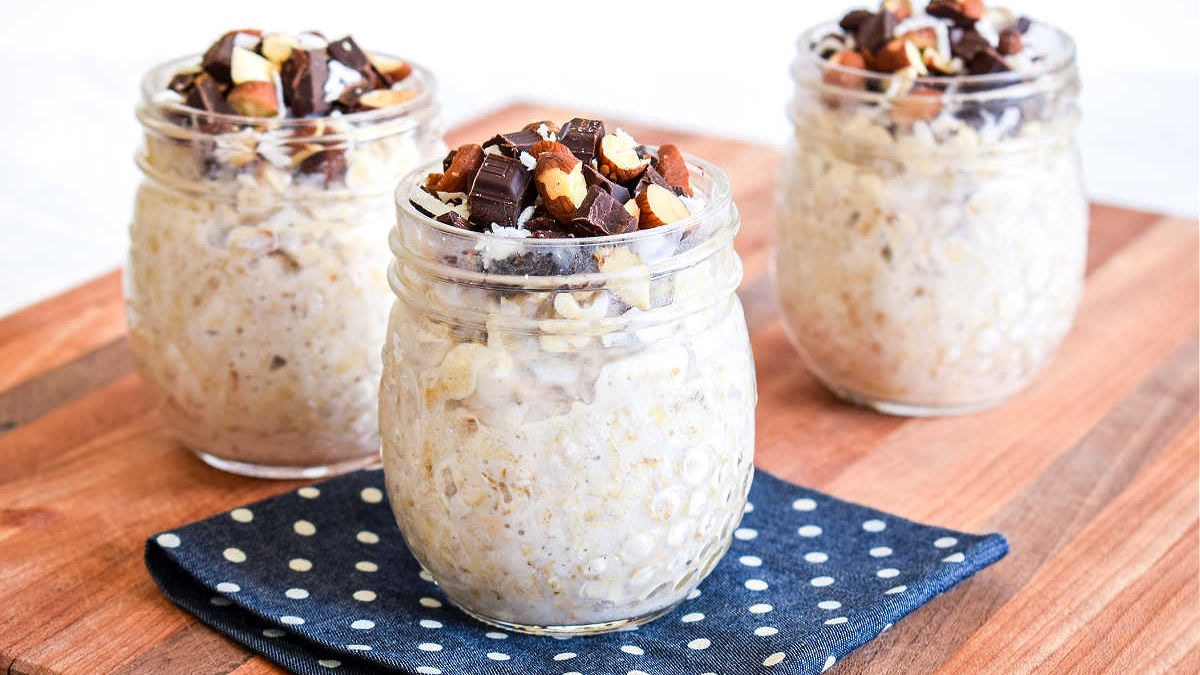
This approach lets plant-based eaters meet their amino acid needs with ease.
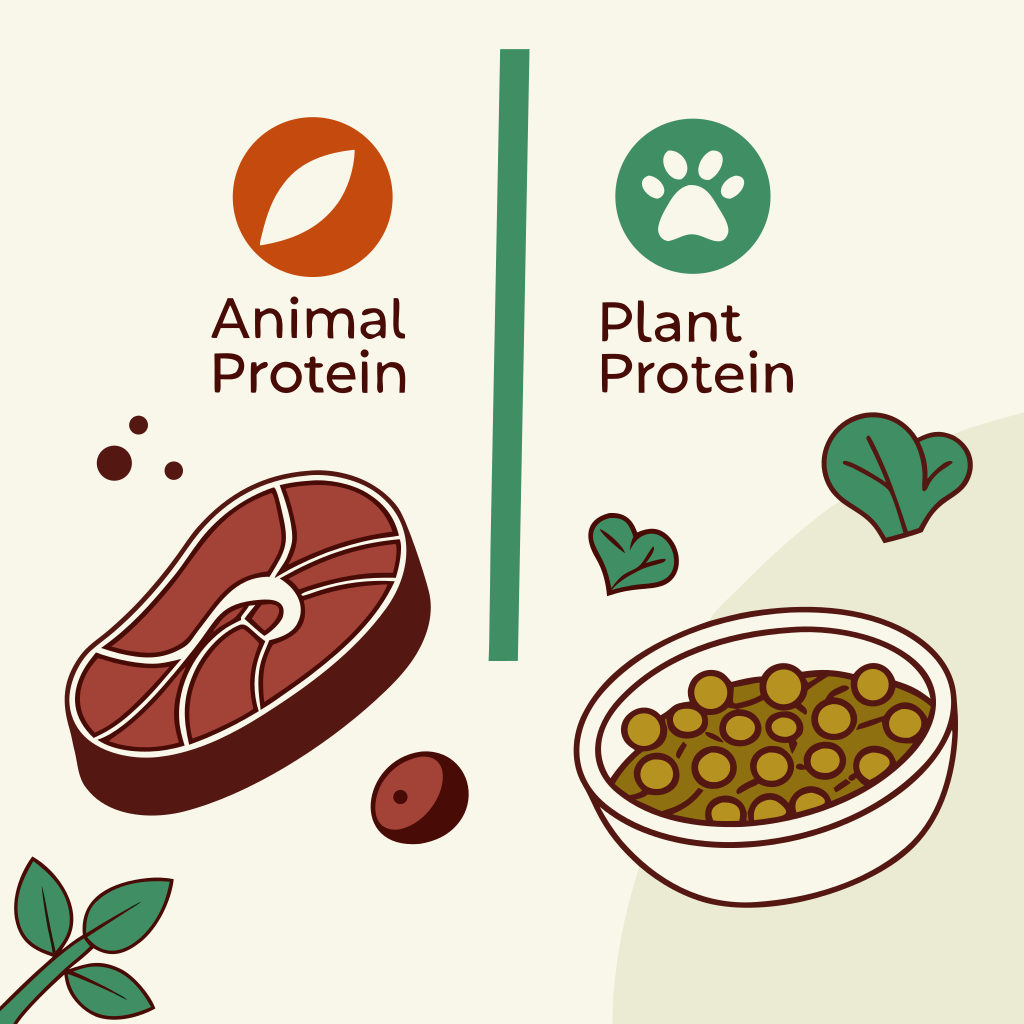
Animal Protein vs Plant Protein: Which Is Better?
Both animal and plant proteins offer benefits — the real winner depends on your lifestyle, health goals, and dietary needs.
Let’s compare them fairly.
Benefits Of Animal Protein
Animal protein provides:
• High bioavailability
• Complete amino acid profiles
• Vitamin B12
• Iron
• Zinc
• Omega-3s (from fish)
These nutrients support muscle maintenance, energy levels, and hormone function.
Benefits Of Plant Protein
Plant protein offers:
• Higher fiber
• Lower saturated fat
• Improved heart health
• More antioxidants
• Reduced inflammation
• Sustainable eating patterns
Plant proteins also support digestive health and long-term wellness.
Which One Should YOU Choose?
If your goal is:
• muscle growth → animal protein offers faster results
• heart health → plant proteins offer long-term protection
• balanced diet → mixing both works best
• vegan/vegetarian lifestyle → plant combinations can fully meet needs
There’s no “best” choice — the key is consistency and variety.
Common Myths About Protein Sources
Let’s clear up some misunderstandings.
Myth #1: Plant Proteins Can't Build Muscle
False.
Athletes build muscle successfully on plant-based diets using:
• Soy
• Lentils
• Quinoa
• Pea protein
• Tofu
Muscle growth comes from total protein intake — not just animal sources.
Myth #2: All Animal Proteins Are "Complete"
Not true.
Most animal proteins are complete, but gelatin and collagen are missing key amino acids like tryptophan. That’s why collagen is not considered a complete protein.
FAQ
What Is A Complete Protein?
A food that contains all nine essential amino acids your body needs.
What Are Examples Of Complete Protein Foods?
Eggs, chicken, fish, quinoa, tofu, chia seeds, and Greek yogurt.
Are Plant Proteins Complete?
Most are not, but foods like quinoa, soy, chia, and amaranth are complete.
Is Animal Protein Better Than Plant Protein?
Neither is “better”; animal protein absorbs faster, while plant protein offers more fiber and antioxidants.
Can Vegans Get Complete Protein?
Yes – by eating tofu, quinoa, grains with legumes, seeds, and plant protein powders.
Do I Need Complete Protein At Every Meal?
No. As long as you eat a variety of proteins throughout the day, your body gets what it needs.
Conclusion
Complete protein plays a major role in helping you maintain muscle strength, balanced hormones, and steady energy throughout the day. Now that you know which foods provide all essential amino acids, explore the rest of our protein series to strengthen your nutrition habits. Learn why protein matters, understand what protein is, and see the signs of protein deficiency so you can make confident decisions about your daily protein intake. Building meals with complete protein sources is one of the simplest ways to support your long-term health.