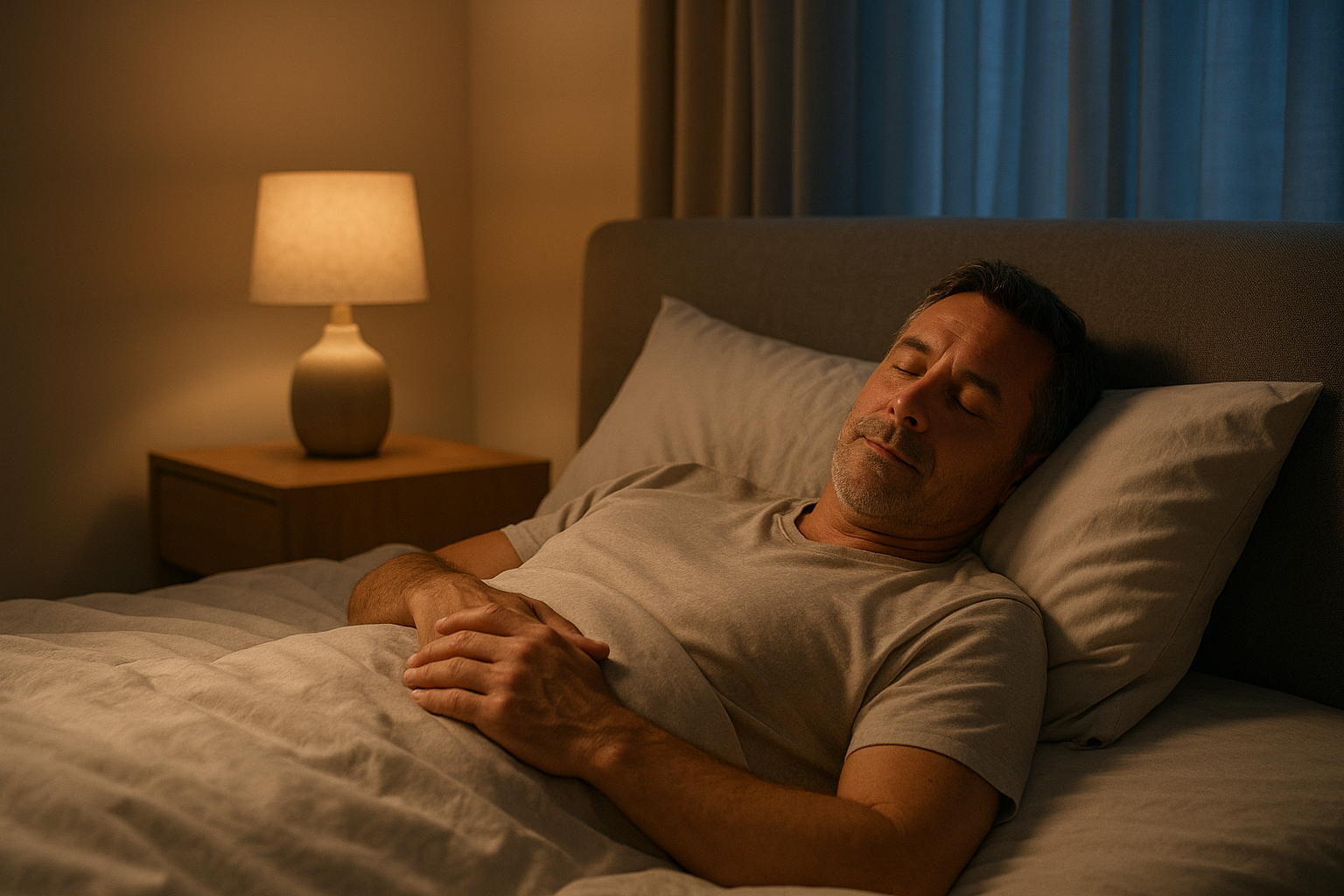

Sleep often changes after 40. You may wake more easily, spend less time in deep sleep, notice hot flashes or night sweats, or find that stress and physical aches keep your mind and body alert at night. While there is no single solution for every sleep problem, regular physical activity can be one of the most practical ways to support better rest.
Understanding how exercise affects sleep after 40 can help you choose workouts that fit your energy, recovery needs, and schedule. The goal is not to train harder every day. It is to use movement consistently and strategically so it supports, rather than disrupts, your sleep.
Why Sleep Can Become More Difficult After 40
Sleep changes are common in midlife. Hormonal shifts, work and family responsibilities, changing activity levels, medications, alcohol use, and health conditions can all affect sleep quality. Adults may also become more sensitive to noise, light, pain, or temperature changes.
Common sleep concerns after 40 include:
- Taking longer to fall asleep
- Waking during the night or earlier than intended
- Feeling unrefreshed despite spending enough time in bed
- Daytime fatigue or reduced concentration
- Restless sleep due to joint discomfort, stress, or temperature changes
Exercise cannot replace medical care for persistent insomnia, sleep apnea, depression, chronic pain, or menopause symptoms. However, it can be an important part of a broader sleep-supportive routine.
How Exercise Supports Better Sleep
Physical activity influences sleep through several connected pathways. It can help regulate your body clock, reduce stress, build healthy sleep pressure, and improve physical comfort and function over time.
Exercise Builds Sleep Pressure
Your body naturally develops a need for sleep the longer you are awake. This is often called sleep pressure. Moving your body during the day uses energy and can increase the drive for restorative sleep later on. Even moderate activity, such as brisk walking, can contribute.
Movement Can Reduce Stress and Mental Tension
Stress is a frequent reason people lie awake at night. Exercise can provide a healthy outlet for tension and may help reduce anxious, repetitive thoughts for some people. Activities that combine steady movement with breathing, such as walking, cycling, swimming, yoga, or tai chi, can be especially calming.
Exercise Helps Regulate Circadian Rhythm
Your circadian rhythm is your internal 24-hour body clock. Regular activity, particularly outdoors in daylight, can reinforce the difference between daytime alertness and nighttime sleepiness. A morning or midday walk can be useful if you tend to feel sluggish in the day but awake at night.
Strength Training May Improve Physical Comfort
Muscle weakness, stiffness, and reduced mobility can make it harder to get comfortable in bed. A well-designed strength routine may improve functional movement, support joint stability, and make daily activities feel easier. Over time, this may reduce some of the discomfort that interferes with sleep.
What Types of Exercise Are Best for Sleep After 40?
The best exercise is one you can perform consistently, recover from well, and enjoy enough to continue. A balanced routine often works better than relying on only intense workouts.
Walking and Other Moderate Cardio
Walking is one of the most accessible forms of exercise for sleep. It can be adjusted to your fitness level, requires little equipment, and is easier to recover from than high-intensity training. Aim for a pace that makes breathing noticeably faster while still allowing you to speak in short sentences.
Other moderate options include:
- Cycling
- Swimming or water aerobics
- Elliptical training
- Dancing
- Low-impact cardio classes
- Hiking on manageable terrain
Resistance Training
Strength training is particularly valuable after 40 because it supports muscle mass, bone health, metabolism, and daily function. Two or three full-body sessions per week can be enough for meaningful benefits.
Focus on fundamental movements such as squats or chair stands, rows, presses, hip hinges, step-ups, and carries. Start with manageable resistance and prioritize good technique. Training to extreme exhaustion is not necessary for sleep or general health.
Yoga, Mobility, and Gentle Stretching
Gentle movement can be useful on days when you feel sore, stressed, or low on energy. Yoga, mobility work, and light stretching may help you unwind, although they are not a replacement for aerobic or strength training.
A short evening routine can be especially helpful if it feels relaxing rather than demanding. Try slow breathing, gentle hip and upper-back mobility, and stretches that do not cause pain.
Does Exercise Timing Matter?
For many adults, exercise at almost any time of day can support sleep. The ideal time depends on your schedule, preferences, and response to activity.
Morning Exercise
Morning workouts can help establish a consistent routine and may be useful for people who struggle with late-night alertness. Exercising outdoors adds light exposure, which may further support a regular body clock.
Afternoon Exercise
Many people feel strongest and most coordinated in the afternoon. This can be a practical time for resistance training or more vigorous cardio, especially if a morning workout feels rushed or stiff.
Evening Exercise
Evening exercise does not automatically ruin sleep. Moderate activity after work can reduce stress and fit busy schedules. The key is to notice how your body responds. Some people sleep well after an evening walk or strength session, while others feel too energized after intense intervals, heavy lifting, or competitive sports.
If late workouts seem to delay sleep, try finishing vigorous exercise at least two to three hours before bed. You can still use gentle walking, mobility work, or relaxing yoga later in the evening.
Can Intense Exercise Interfere With Sleep?
It can, especially when training volume or intensity exceeds your current recovery capacity. Hard exercise can temporarily increase heart rate, body temperature, and nervous system activation. If you are already under stress, not eating enough, sleeping poorly, or training hard too often, this may make sleep more difficult.
Signs that your routine may be too demanding include:
- Feeling wired but tired at bedtime
- Waking frequently after hard workouts
- Persistent muscle soreness or heavy fatigue
- Declining workout performance
- Irritability, low motivation, or unusually high stress
- Needing increasing amounts of caffeine to get through the day
If these patterns appear, reduce the number of high-intensity sessions, add easier days, and make recovery a priority. More exercise is not always better.
A Practical Weekly Exercise Plan for Better Sleep
A sustainable routine does not need to be complicated. The following example can be adjusted based on your fitness level, mobility, and medical guidance.
- Monday: 30-minute brisk walk plus a short full-body strength workout
- Tuesday: 20 to 40 minutes of easy walking, cycling, or swimming
- Wednesday: Full-body strength workout and a few minutes of mobility work
- Thursday: Easy walk, yoga, or a light recovery session
- Friday: Moderate cardio or a strength workout
- Saturday: Longer enjoyable activity, such as hiking, dancing, gardening, or a bike ride
- Sunday: Rest or gentle movement, depending on how you feel
Consistency matters more than perfection. If you are starting from a low activity level, begin with 10 minutes of walking per day and gradually build from there.
How to Make Exercise More Sleep-Friendly
- Choose a realistic starting point. A routine that is too difficult is hard to sustain and may increase soreness or stress.
- Get daylight when possible. A walk outside in the morning or afternoon can support both activity and circadian rhythm.
- Avoid relying on late-day caffeine. Caffeine can mask fatigue but may interfere with sleep, particularly when consumed later in the day.
- Fuel and hydrate appropriately. Under-eating, dehydration, or very heavy meals close to bedtime can make sleep less comfortable.
- Build recovery into your plan. Alternate harder and easier days, especially when beginning a new routine.
- Keep a regular sleep schedule. Exercise works best alongside consistent wake and bedtime habits.
- Track your response. Note your workout timing, intensity, and sleep quality for two weeks to identify useful patterns.
When to Talk With a Healthcare Professional
Exercise is generally beneficial, but ongoing sleep problems deserve attention. Speak with a healthcare professional if you experience loud snoring, choking or gasping during sleep, severe daytime sleepiness, persistent insomnia, restless legs symptoms, significant night sweats, chest pain with activity, or a major change in sleep that does not improve.
It is also wise to seek personalized guidance before starting a new exercise program if you have heart disease, uncontrolled blood pressure, severe joint pain, dizziness, or other health concerns.
Conclusion
Exercise affects sleep after 40 by helping regulate stress, support your body clock, build sleep pressure, and improve physical function. The most effective approach is usually a consistent mix of walking or other moderate cardio, strength training, and restorative movement. Start at a level you can recover from, pay attention to workout timing, and use your sleep quality as feedback to create a routine that supports both energy and rest.