Why Fat Loss Stops Working After 35 - And What Actually Helps
Home » Protein Deficiency: Symptoms, Causes & Treatment Options Explained Clearly
Protein Deficiency: Symptoms, Causes & Treatment Options Explained Clearly
Protein deficiency affects far more people than most realize, and its symptoms often start subtly. If you’re not familiar with how protein functions in the body, you may want to see our simple guide on what protein actually is before diving deeper.
In this article, we’ll focus specifically on protein deficiency, the signs to watch for, the causes of low protein levels in the blood, and the treatment options available.
What Is Protein Deficiency?
Protein deficiency happens when your body isn’t getting enough amino acids to support the processes that keep you alive and functioning. Instead of having raw material to repair tissue, balance hormones, and maintain muscle, your body is forced to break down its own protein stores.
This leads to weakness, slower metabolism, fatigue, swelling, and a long list of symptoms many people misdiagnose as “stress” or “aging.”
Protein deficiency can develop gradually or appear quickly depending on diet, lifestyle, or underlying health issues.
Why Protein Levels Drop in the First Place?
Protein levels don’t collapse overnight. They fall because:
• You’re not eating enough protein
• Your body is using protein faster than you consume it
• Your digestion or absorption is impaired
• You’re recovering from illness, surgery, or injury
• You’re following restrictive diets without proper planning
Regardless of the reason, low protein eventually impacts muscles, immunity, skin, energy, and overall strength.
Common Low Protein Signs You Shouldn't Ignore
Many early signs of low protein are subtle — but they’re also easy to spot once you know what to look for. These symptoms are often misattributed to “being tired,” “busy,” or “getting older,” which prevents people from fixing the root cause.
Let’s break them down clearly.
Early Symptoms of Low Protein
These symptoms usually appear first:
• Constant fatigue or low energy
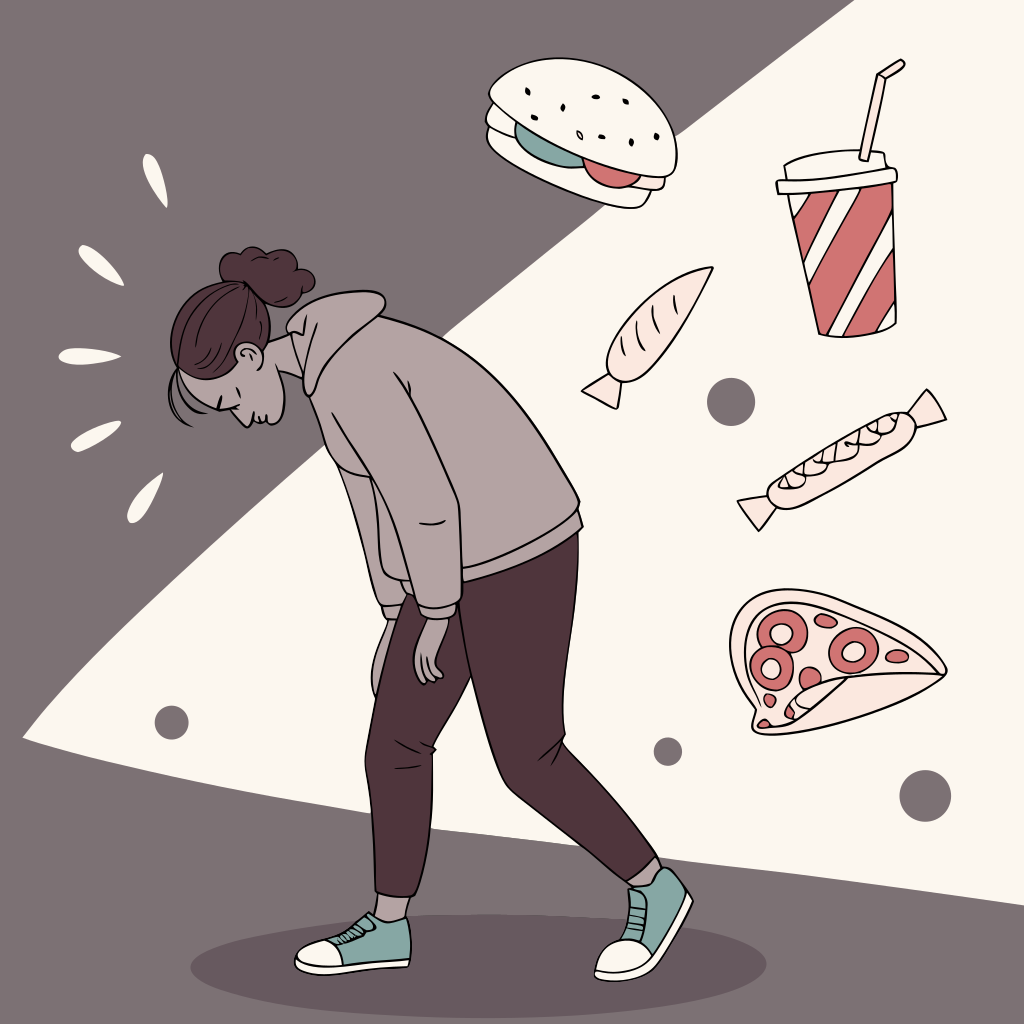
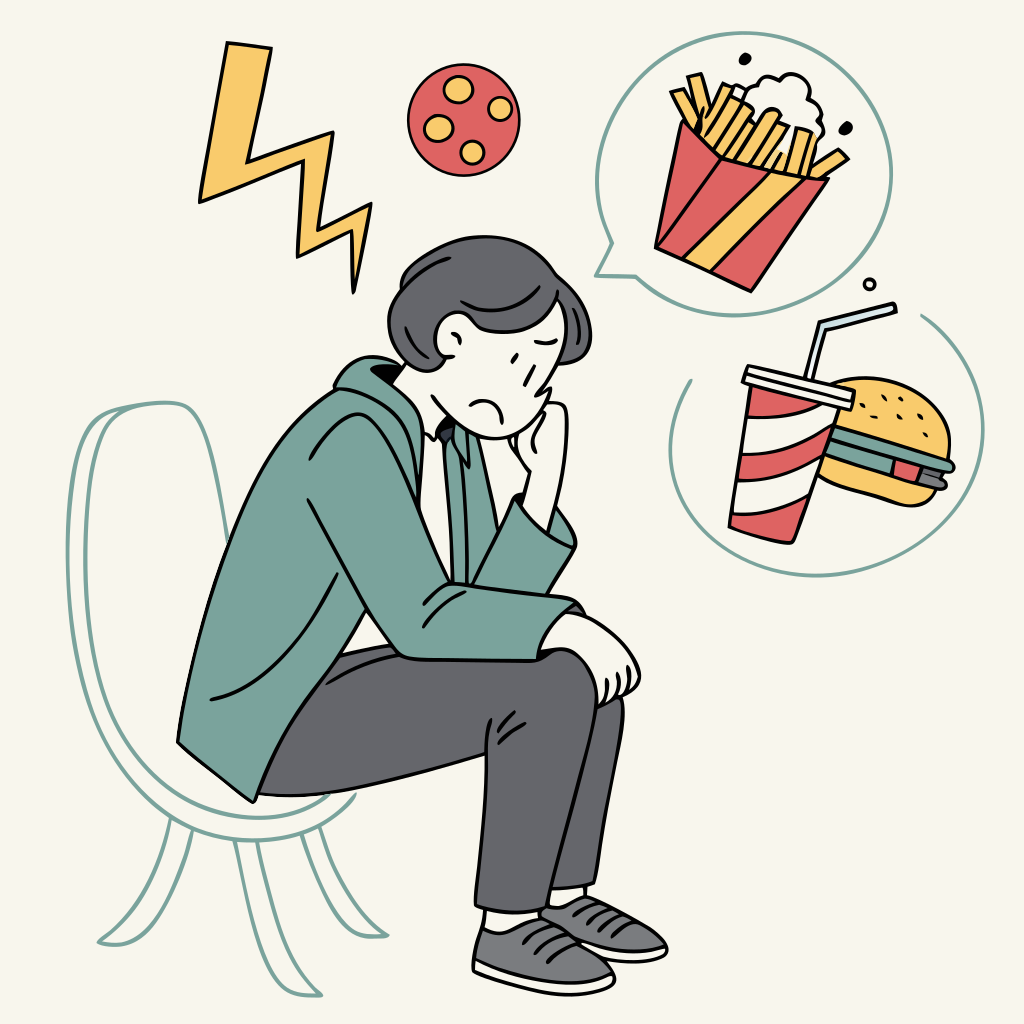
• Frequent cravings, especially sweets
• Brittle nails
• Hair shedding or thinning
• Trouble focusing or brain fog
• Slow wound healing
• Decreased strength or endurance
Most people ignore these because they feel mild at first.
If deficiency continues, symptoms become more obvious and harder to ignore:
• Muscle loss (your body breaks down its own muscle tissue)
• Swelling in legs or ankles (low albumin levels)
• Weakened immune function
• Increased infections
• Frequent injuries
• Skin becoming dry, flaky, or thinning
• Noticeable weight loss or muscle wasting
• Digestive problems like bloating or poor appetite
These symptoms indicate your body is running out of usable protein and shifting into survival mode.
How Low Protein Affects Daily Function
Low protein doesn’t only impact appearance — it affects how you feel and function daily:
• Walking up stairs feels harder
• Carrying groceries becomes tiring
• Workouts stall or regress
• Mood becomes unstable
• Metabolism slows, making fat loss harder
• You feel “weak” even without exercise
This is your body telling you it’s not getting what it needs.
What Causes Low Protein Levels in the Blood?
Many people ask:
“What causes low protein levels in the blood?”
There are three main categories: diet, medical conditions, and lifestyle. According to Cleveland Clinic, low protein levels can lead to swelling, muscle loss, fatigue, and weakened immunity.(#)
If low protein levels are caused by illness, you may need:
• IV albumin
• Digestive health treatment
• Infection management
• Liver or kidney support
• Supervised nutritional therapy
Doctors will perform blood tests (albumin, total protein) to determine the severity.
When to See a Doctor
Seek medical guidance if you have:
• Swelling in legs or abdomen
• Unexplained weight loss
• Severe fatigue
• Chronic infections
• Very low appetite
• Known liver or kidney issues
These signs may indicate a deeper condition.
FAQ
What Are the First Signs Of Protein Deficiency?
Fatigue, cravings, hair thinning, and weak nails are common early signs.
What Causes Low Protein Levels In Blood?
Under-eating, illness, malabsorption, liver disease, stress, and aging.
How Do You Treat Low Protein Levels?
Increase dietary protein, improve digestion, and treat underlying conditions.
Can Low Protein Make You Gain Weight?
Yes – it slows metabolism and increases cravings.
Is Low Protein Dangerous?
Severe deficiency can cause swelling, muscle wasting, and immune issues.
How Long Does It Take To Fix Protein Deficiency?
Mild cases improve within weeks; severe cases require medical care.
Conclusion
Protein deficiency can develop slowly, but the symptoms can significantly impact your energy, immune function, and overall health if left untreated. Now that you understand the signs and causes, explore the rest of our protein series to strengthen your knowledge. Learn why protein matters, understand what protein actually is, and explore complete protein foods to help restore and maintain healthy levels. A well-balanced diet can prevent most cases of deficiency and support long-term wellness.